


Share:


Table of Contents
Identifying trending products to sell on Shopify in 2026 is crucial for eCommerce success, as the right product selection can significantly influence a store's growth trajectory. By focusing on niche markets and solving specific consumer problems, entrepreneurs can capitalize on emerging trends and establish a loyal customer base.
- Shoes, especially in niche categories like eco-friendly or statement styles, are seeing significant year-over-year growth.
- T-shirts remain versatile and popular, with trends leaning towards unique designs and sustainable materials.
- Vitamins and supplements are a reliable subscription category, with a growing interest in sleep aids and clean labeling.
- Pet products continue to thrive due to emotional spending, with subscriptions and eco-friendly options gaining traction.
- Smart home gadgets are in demand for their simplicity and ease of use, appealing to a broad audience looking for convenience.
- Sleep and recovery accessories are rapidly gaining popularity, driven by a growing focus on health and wellness.
Are you looking for trending products to sell in 2026 for your Shopify store? Check out this list of the best product ideas for your eCommerce store.
Whether you’re just starting out or looking to scale your existing store, one of the first big decisions you’ll face is figuring out what to sell. It’s a choice that can seriously shape your path as an eCommerce entrepreneur.
In this article, we’ve compiled a list of 25 top products to sell on Shopify in 2026, based on actual trends and market behavior. So, if you’ve been thinking about starting a business or you’re just in the mood to freshen up your product catalog, this list should give you a solid head start.
Let’s dive in.
25 Trending Product Ideas to Sell on Shopify
- Shoes
- T-Shirts
- Motorcycle Accessories
- Vitamins & Supplements
- Skincare Products
- Perfumes
- Pet Food and Accessories
- Watches
- Phone Cases
- Reusable Water Bottles
- Home Fitness Equipment
- LED Lights & Decor
- Baby Products
- Blue Light Glasses
- Tech Organizers
- Wall Art
- Car Accessories
- Journals & Planners
- Matching Sets (Loungewear)
- Hair Care Products
- Sleep & Recovery Accessories
- Wireless Earbuds
- Smart Home Gadgets
- Makeup Tools
- Candle Sets
1. Shoes
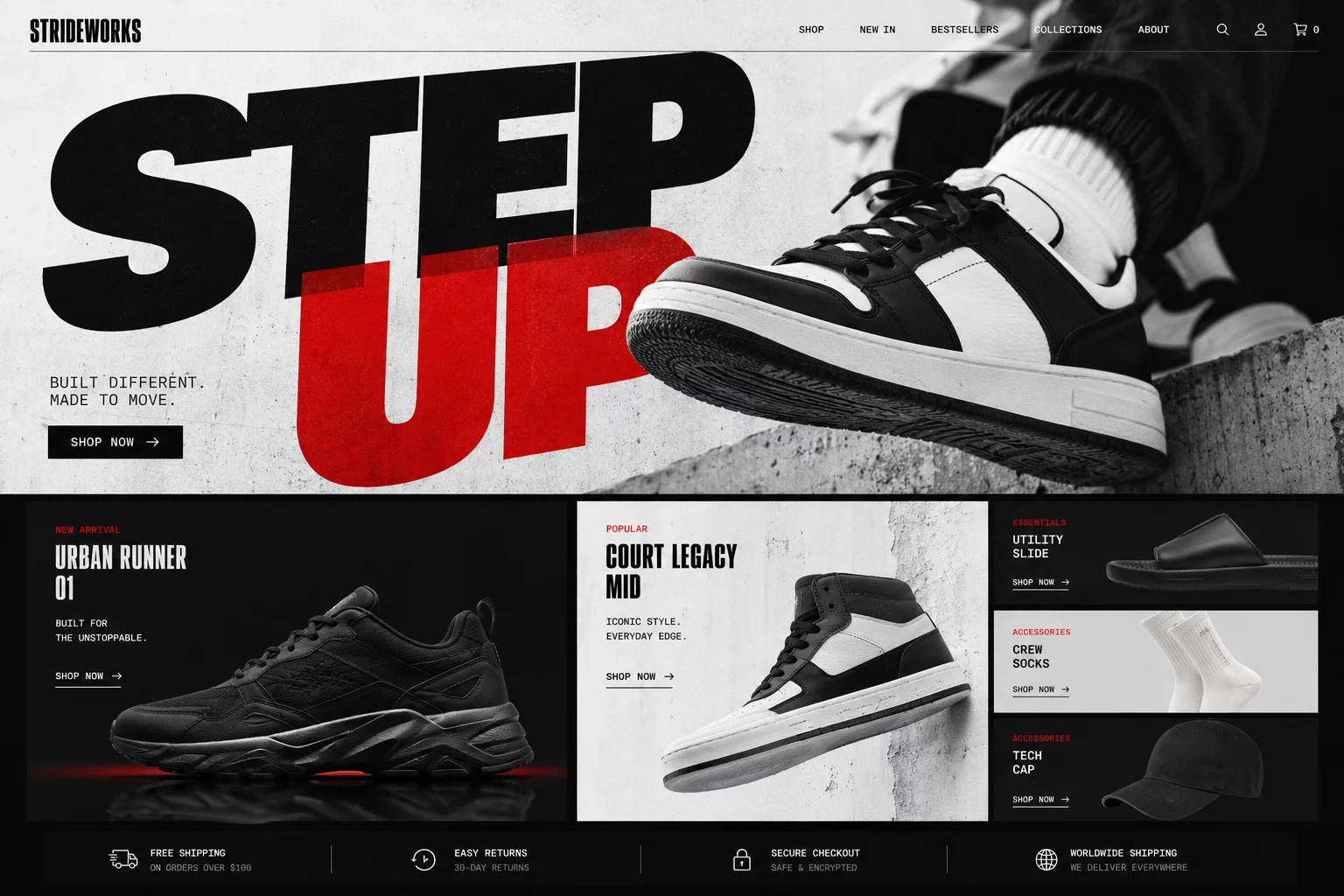
Shoes sell year-round, but you don’t need to stock every category. Niche down into statement sneakers, eco-friendly slides, or a specific silhouette. Baby and toddler sneaker sales alone grew 64% year-over-year on Shopify, proof that a narrow, specific angle beats trying to compete broadly.
2. T-Shirts
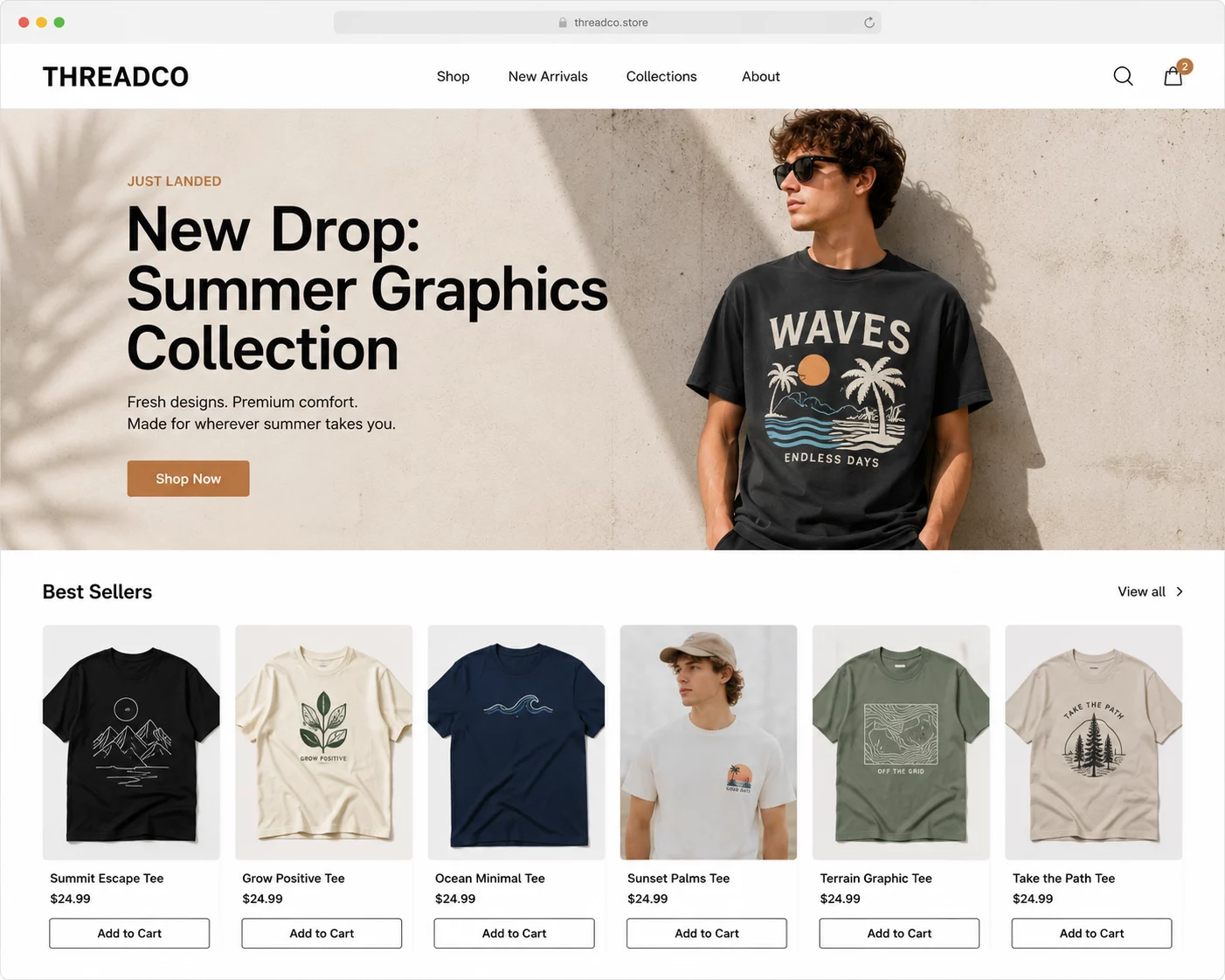
T-shirts stay relevant because they’re endlessly flexible: funny quotes, minimal aesthetics, niche fandoms, and sustainability. Print-on-demand lets you test designs without holding inventory. Embroidered apparel specifically has seen search volume grow around 120% over five years, so embroidery is worth testing over plain print if you want a fresher angle.
3. Motorcycle Accessories
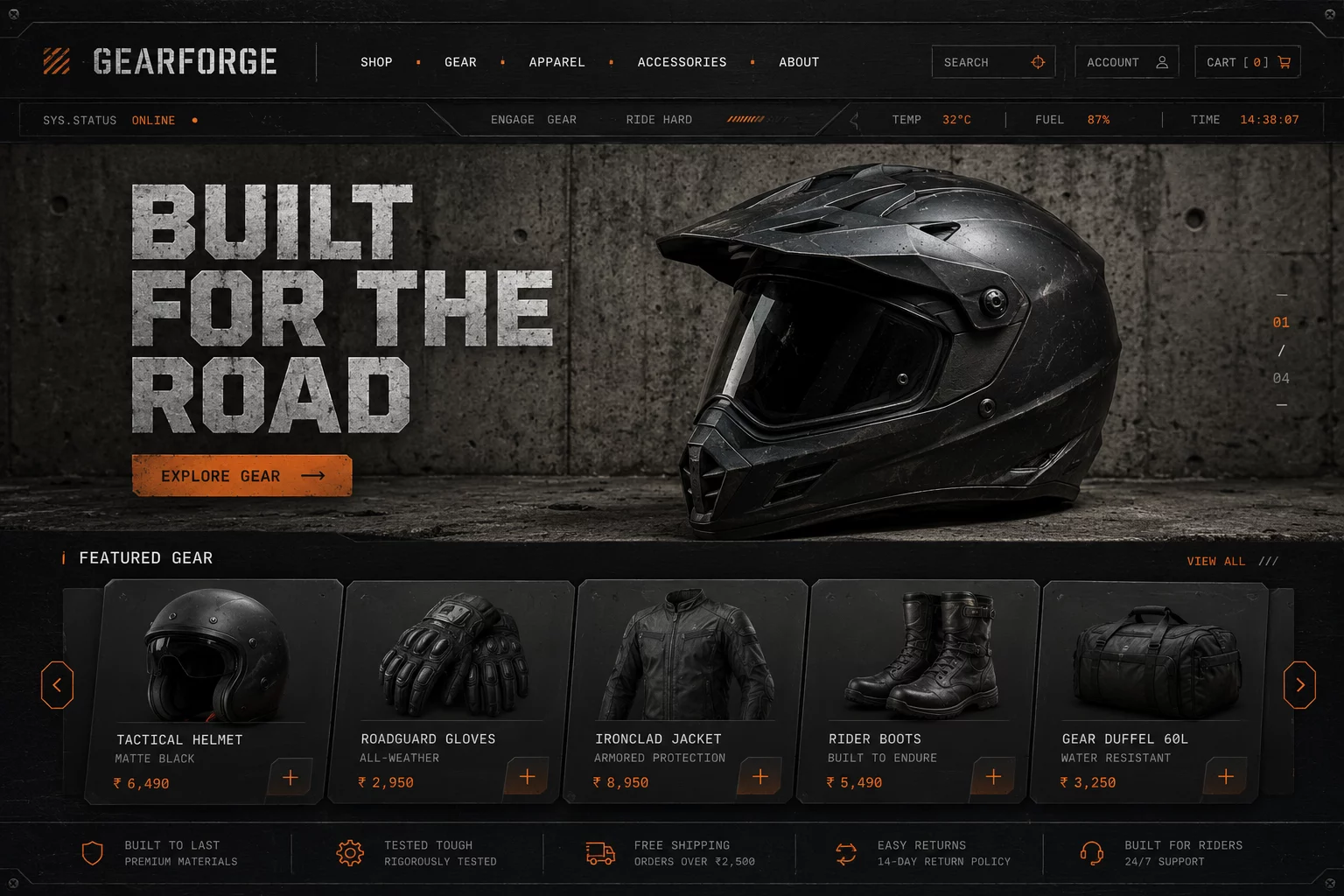
This one won’t show up on most trending-product lists because it’s a passion-niche, not a mainstream category, and that’s exactly the advantage. Riders who trust a store come back repeatedly for helmets, mounts, and biker-inspired gear. Quick install guides and real rider reviews do more here than polished product photography.
4. Vitamins & Supplements
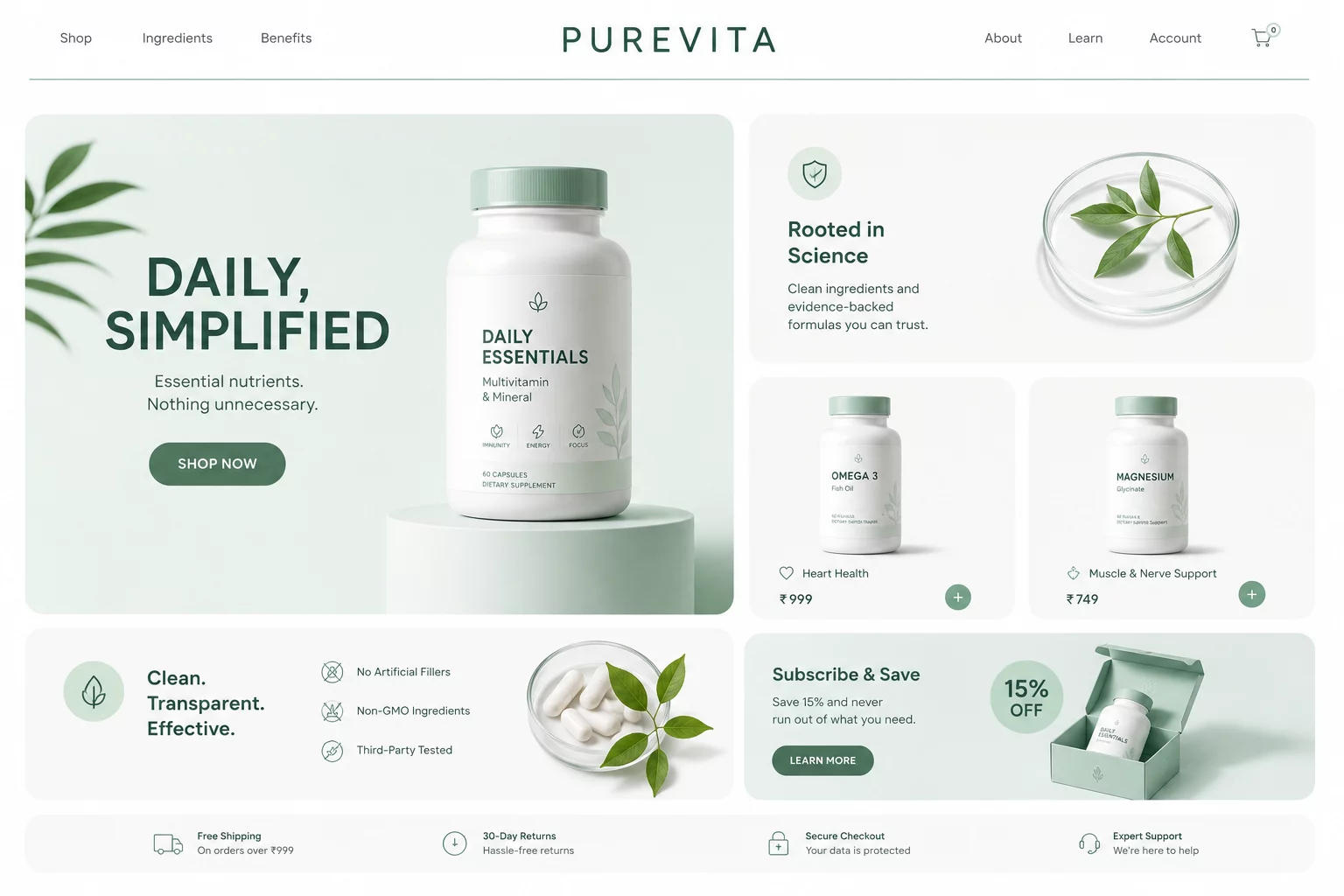
Vitamins and supplements remain one of the most reliable subscription categories on Shopify. Sleep aids and magnesium supplements are seeing rising search interest right now. Trust matters more than flashy marketing here: clean labeling and clear sourcing sell better than hype.
5. Skincare Products
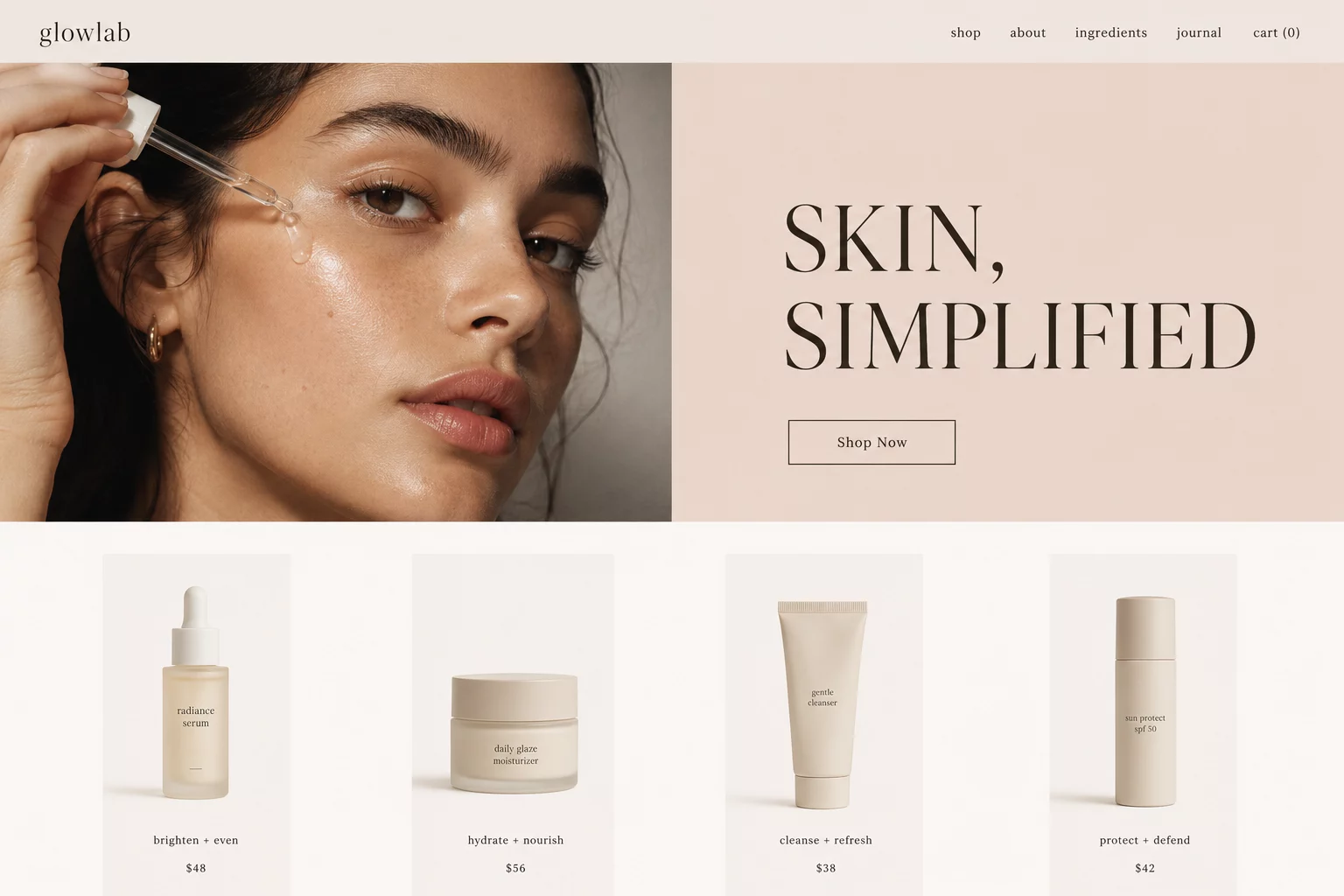
Skincare blends self-care with routine, which keeps demand steady across a wide audience. Solve a specific problem (“fragrance-free moisturizer for sensitive skin”) instead of a vague one, and reviews do the rest of the selling.
6. Perfumes
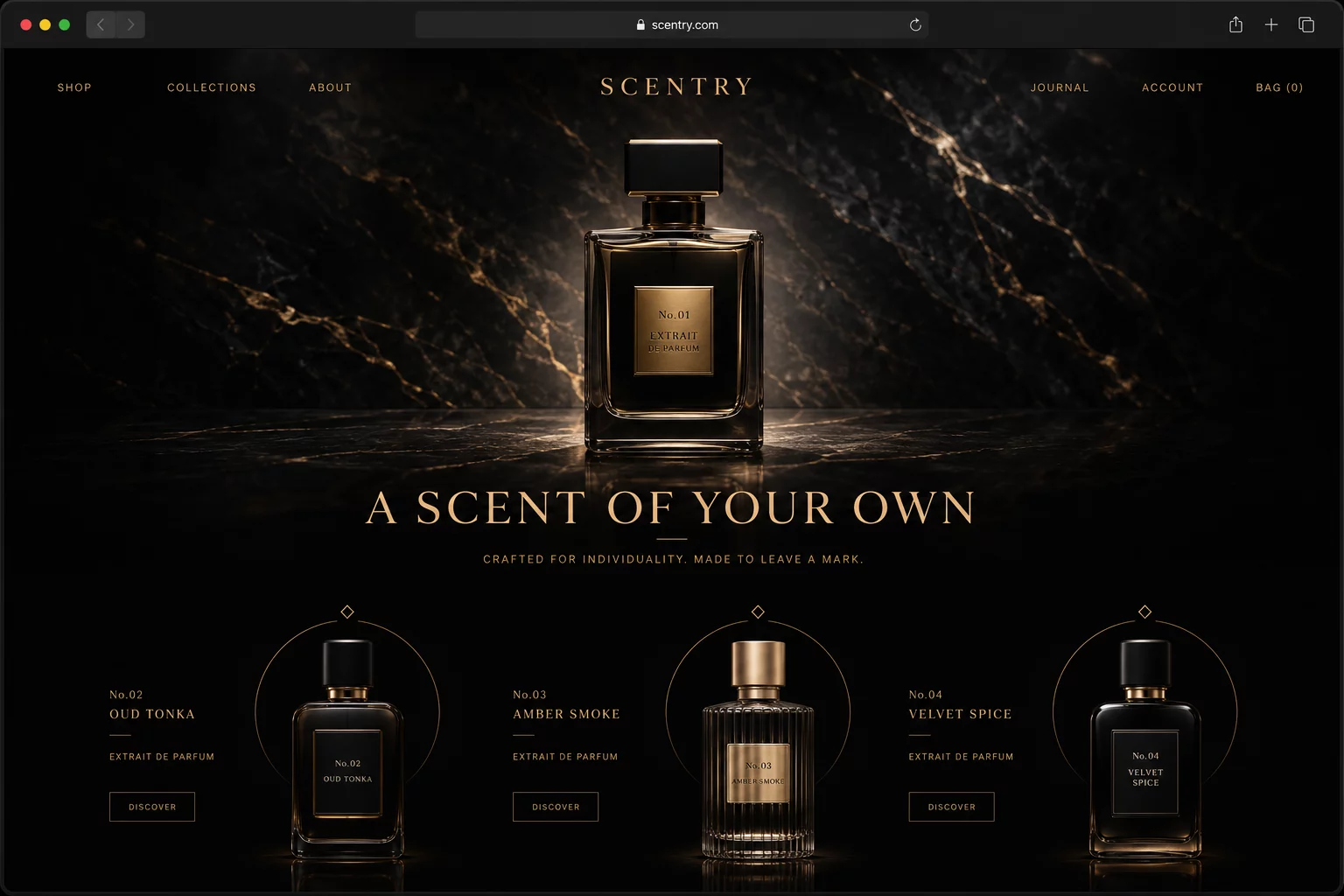
Perfume is personal and giftable at once, which is a rare combination. Indie, small-batch, and gender-neutral scents are outperforming mass-market fragrances right now. Since customers can’t smell through a screen, sample sizes and vivid scent descriptions matter more than product photos.
7. Pet Food and Accessories
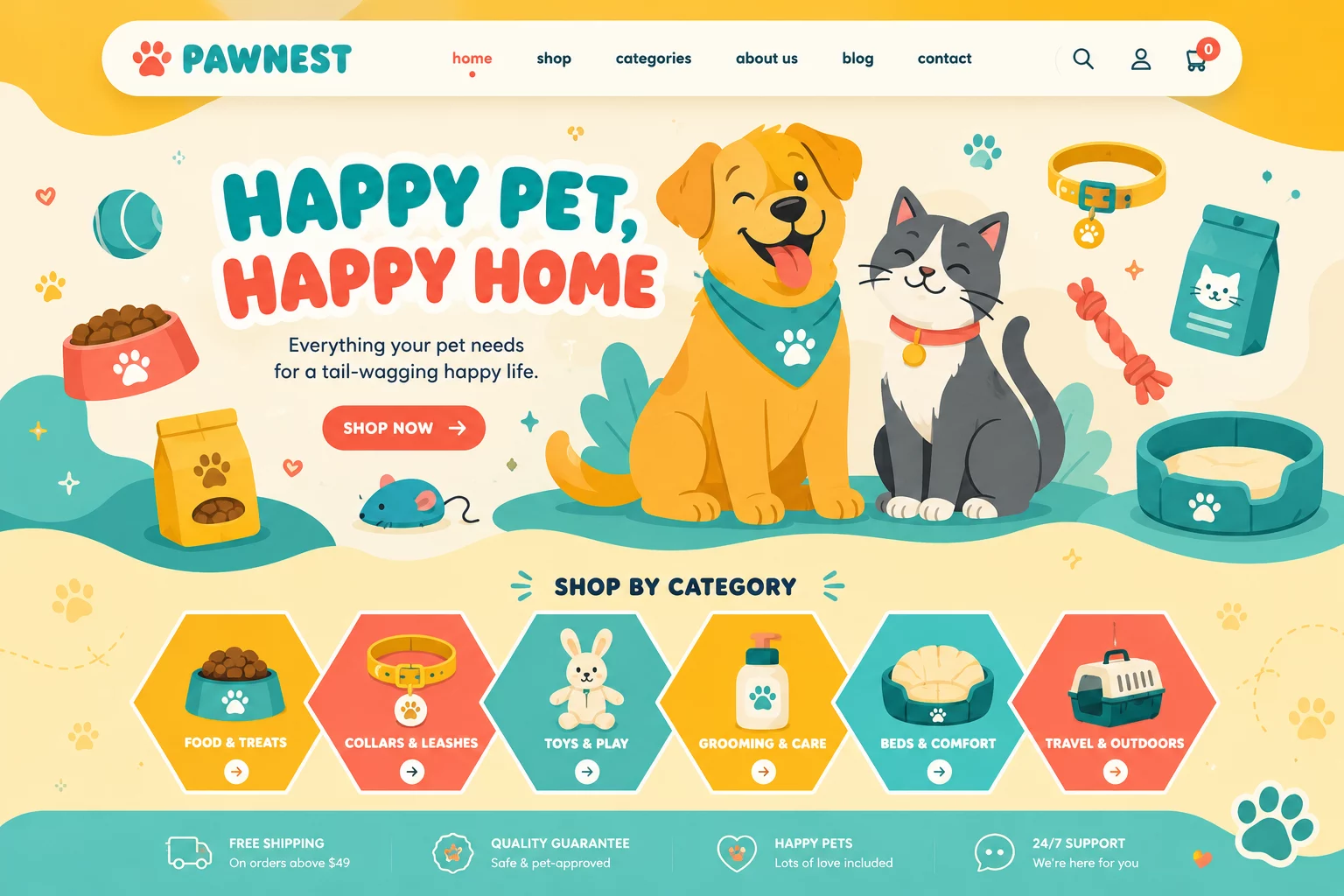
Pet spend keeps climbing because it’s emotionally driven, not price-driven. Subscriptions, breed-specific accessories, and eco-friendly toys all work well. User-generated pet content converts better here than staged photography.
8. Watches
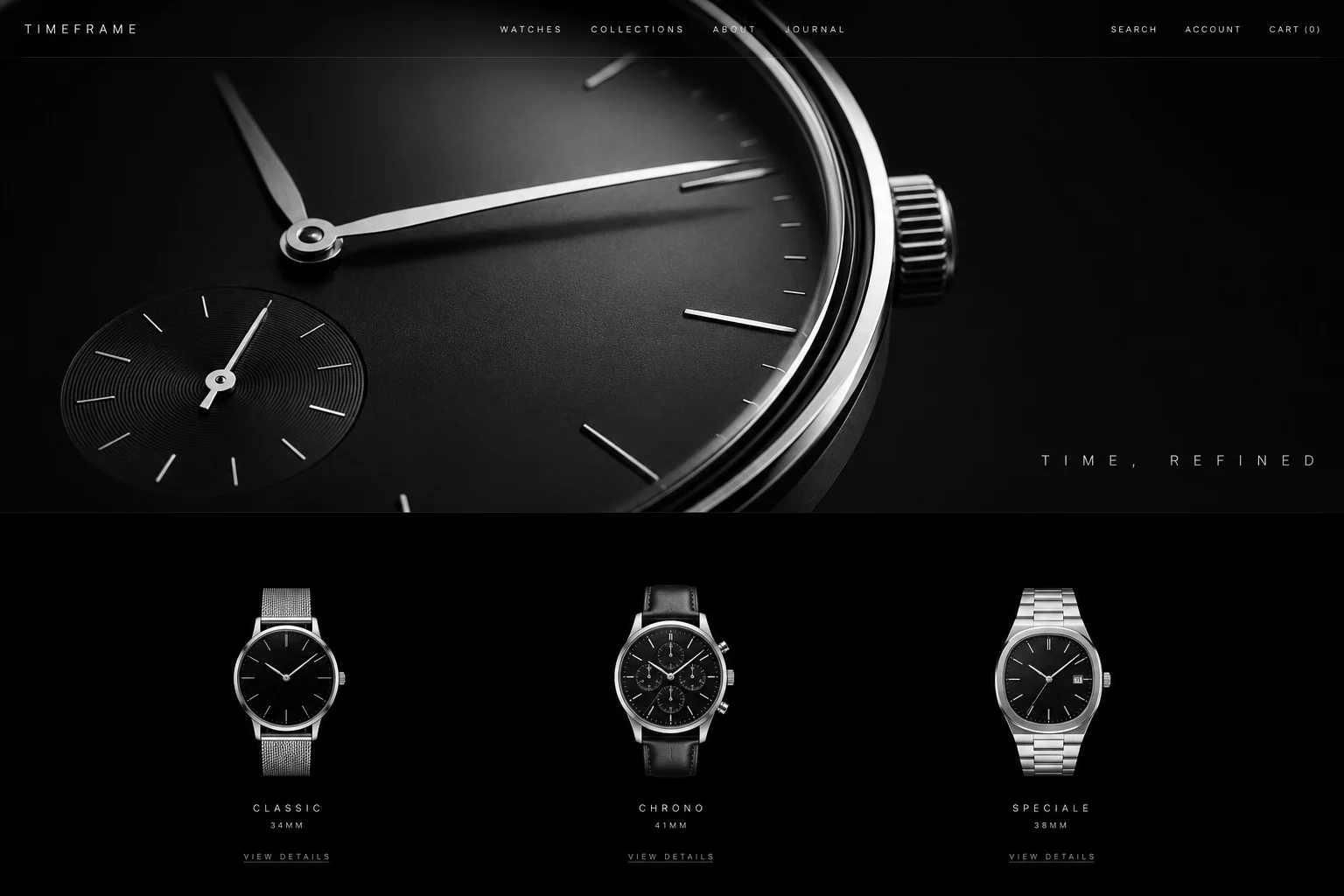
Watches hold up against smartwatches because they’re a style statement, not just a function. Niching into minimalist, vintage-inspired, or sustainable wooden designs lets you avoid competing directly with big retailers on price.
9. Phone Cases
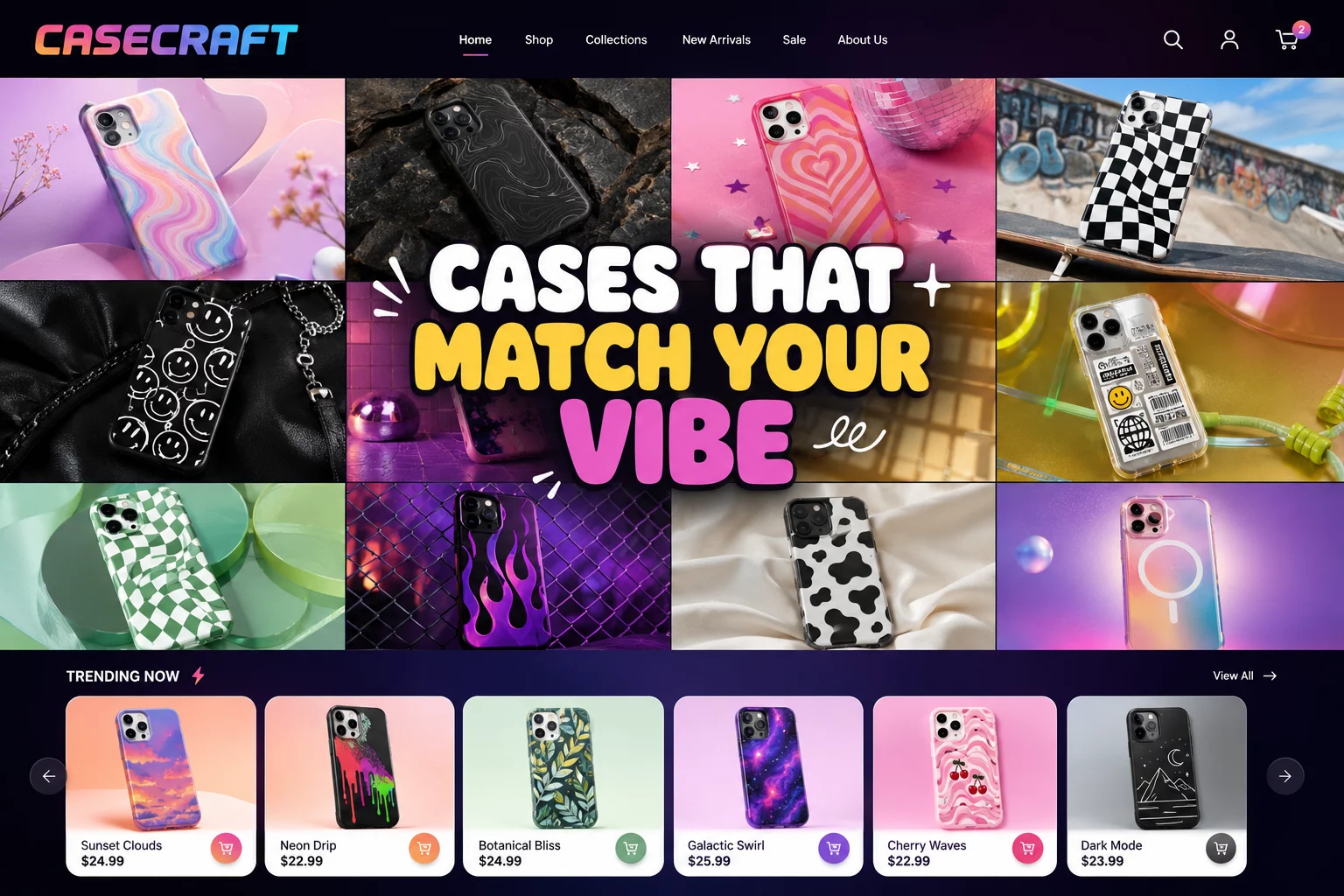
New phone models every year keep this category alive. A small, curated collection built around one aesthetic (minimalist, astrology, photo personalization) outperforms trying to carry every design. Margins are solid, and shipping is cheap since cases are lightweight.
10. Reusable Water Bottles
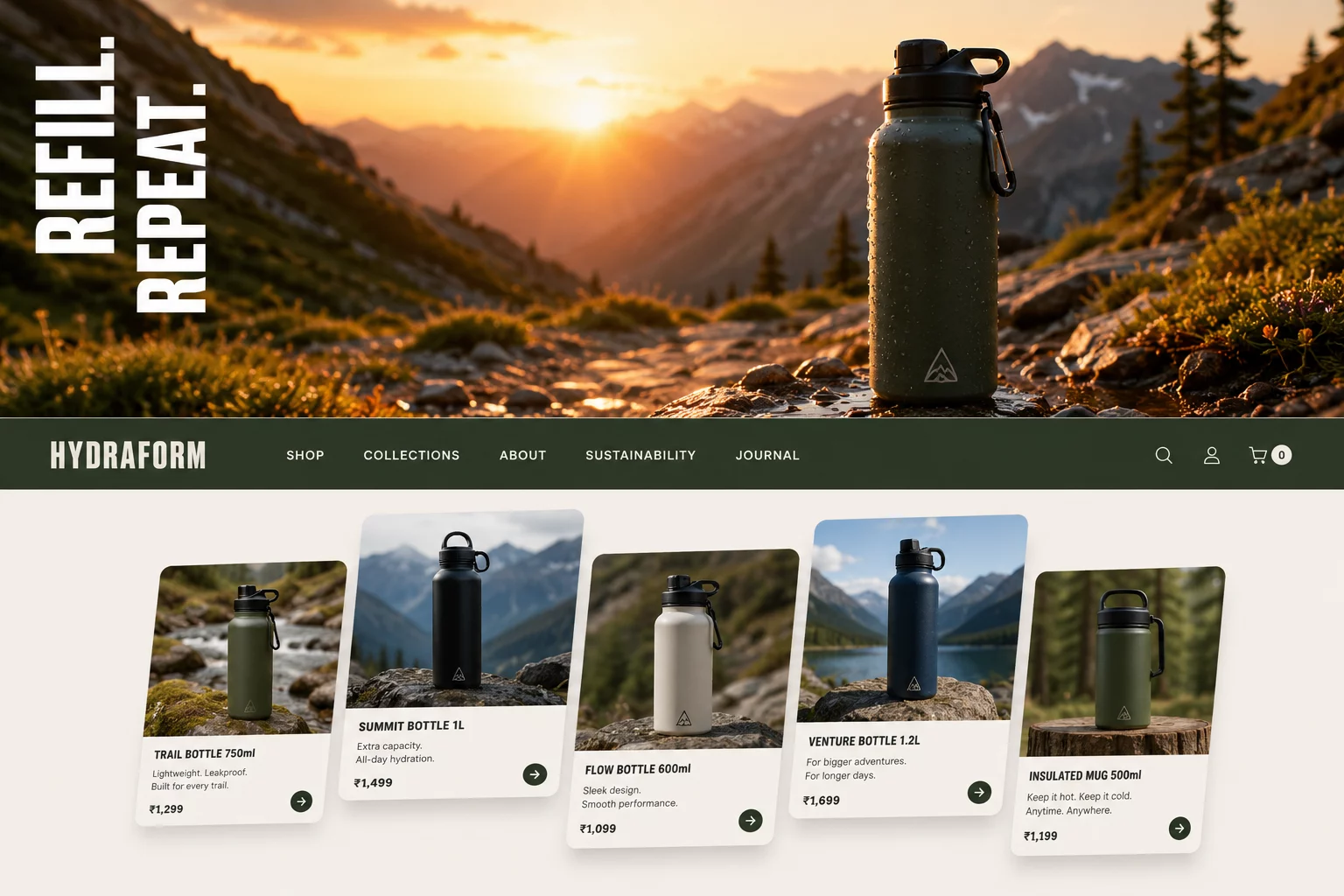
Bottles have shifted from purely functional to lifestyle accessories, with insulation, fruit infusers, and time-marker designs adding real value. Glass straws are a strong companion product here: search interest has more than doubled since 2020 and now sits over 125,000 monthly searches globally, driven by anti-plastic sentiment.
11. Home Fitness Equipment
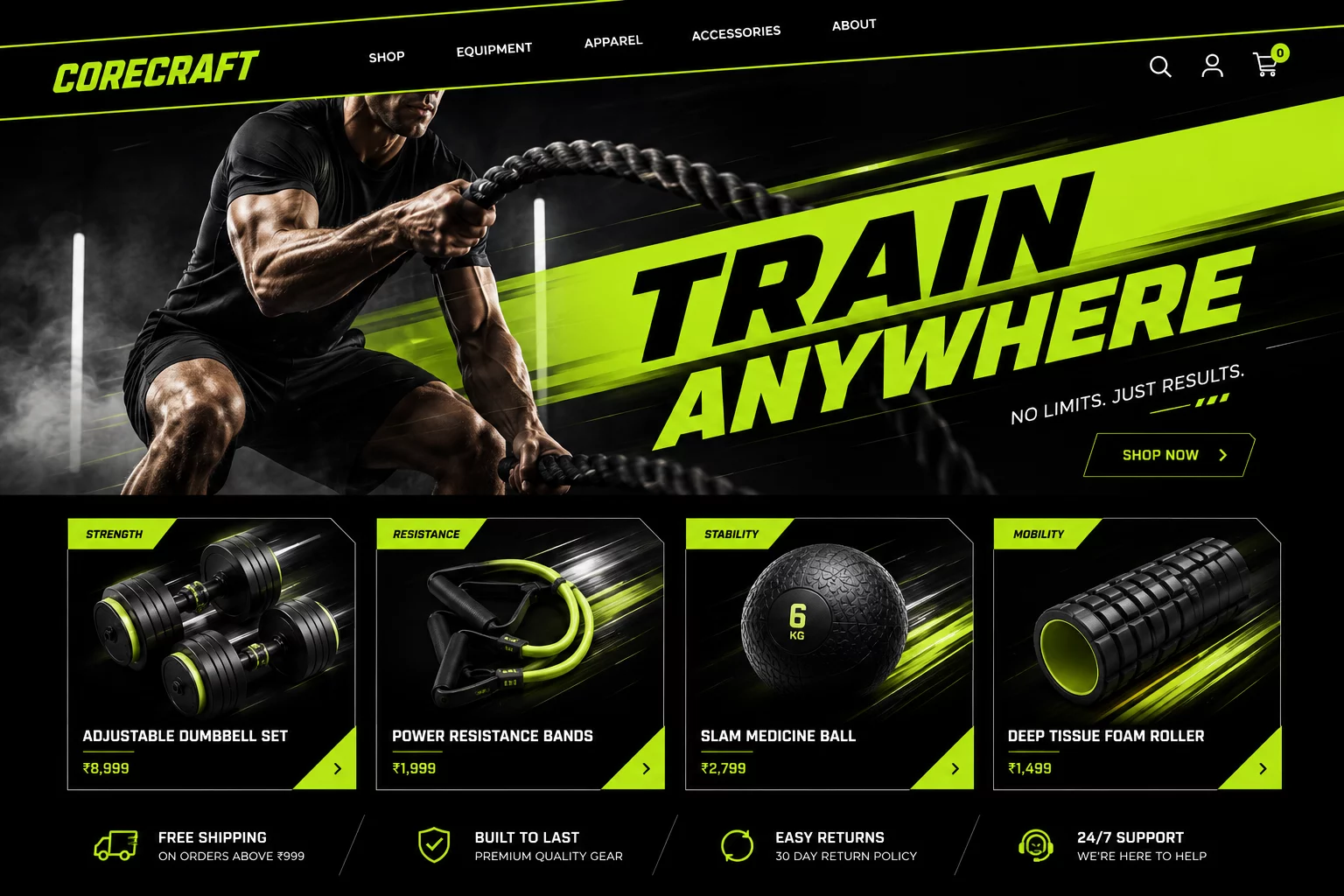
Resistance bands, yoga mats, and core sliders stay in demand because people have settled into home workouts. Sell toward a specific goal (core strength, mobility, back pain relief) instead of generic gear, and bundle in short workout guides to add perceived value.
12. LED Lights & Decor
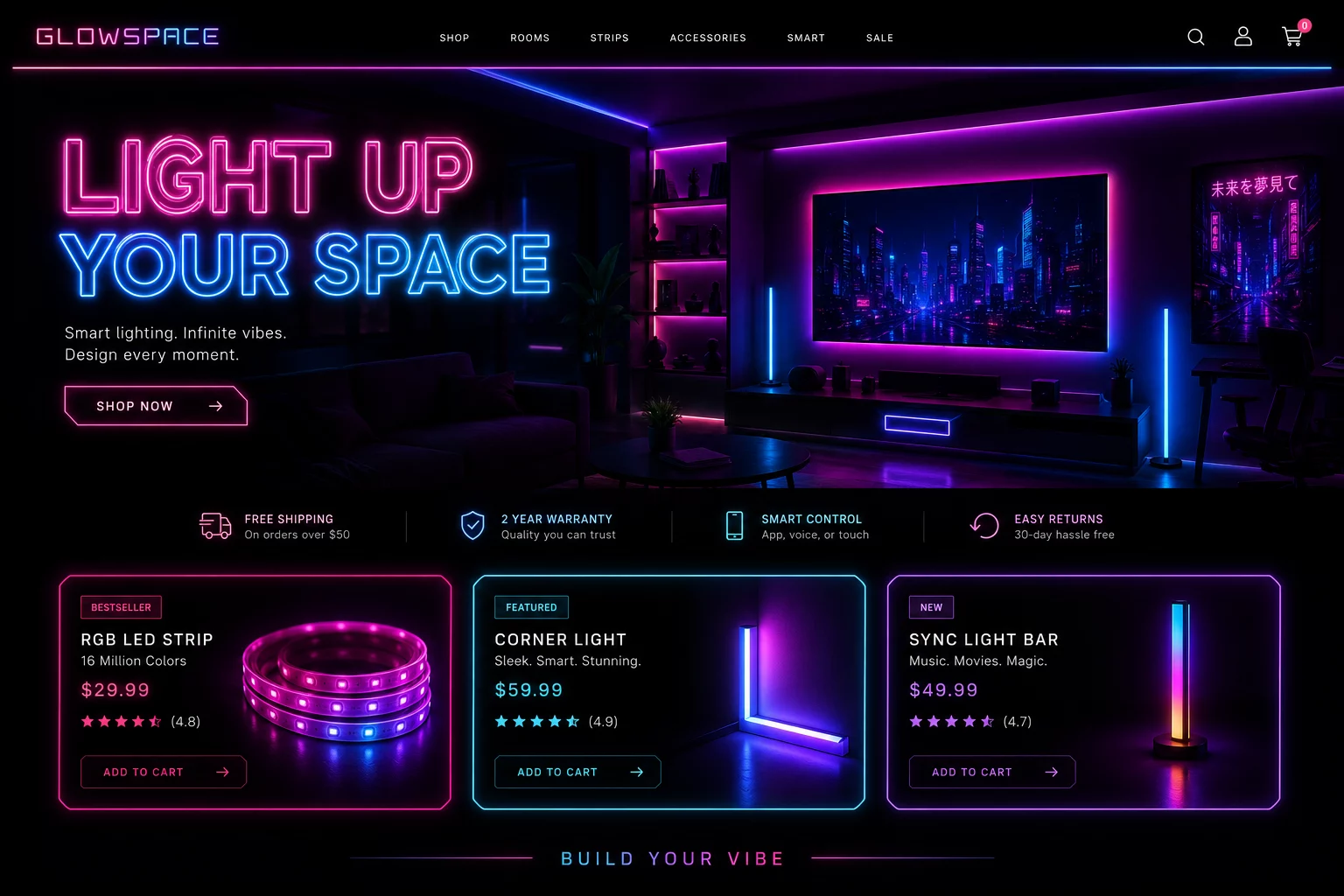
LED lights have gone from utility to aesthetic statement, especially for gamers, influencers, and content creators. Sell by use case (“cozy reading corner,” “streaming background”) rather than by spec sheet. Visual marketing carries this category more than any other.
13. Baby Products
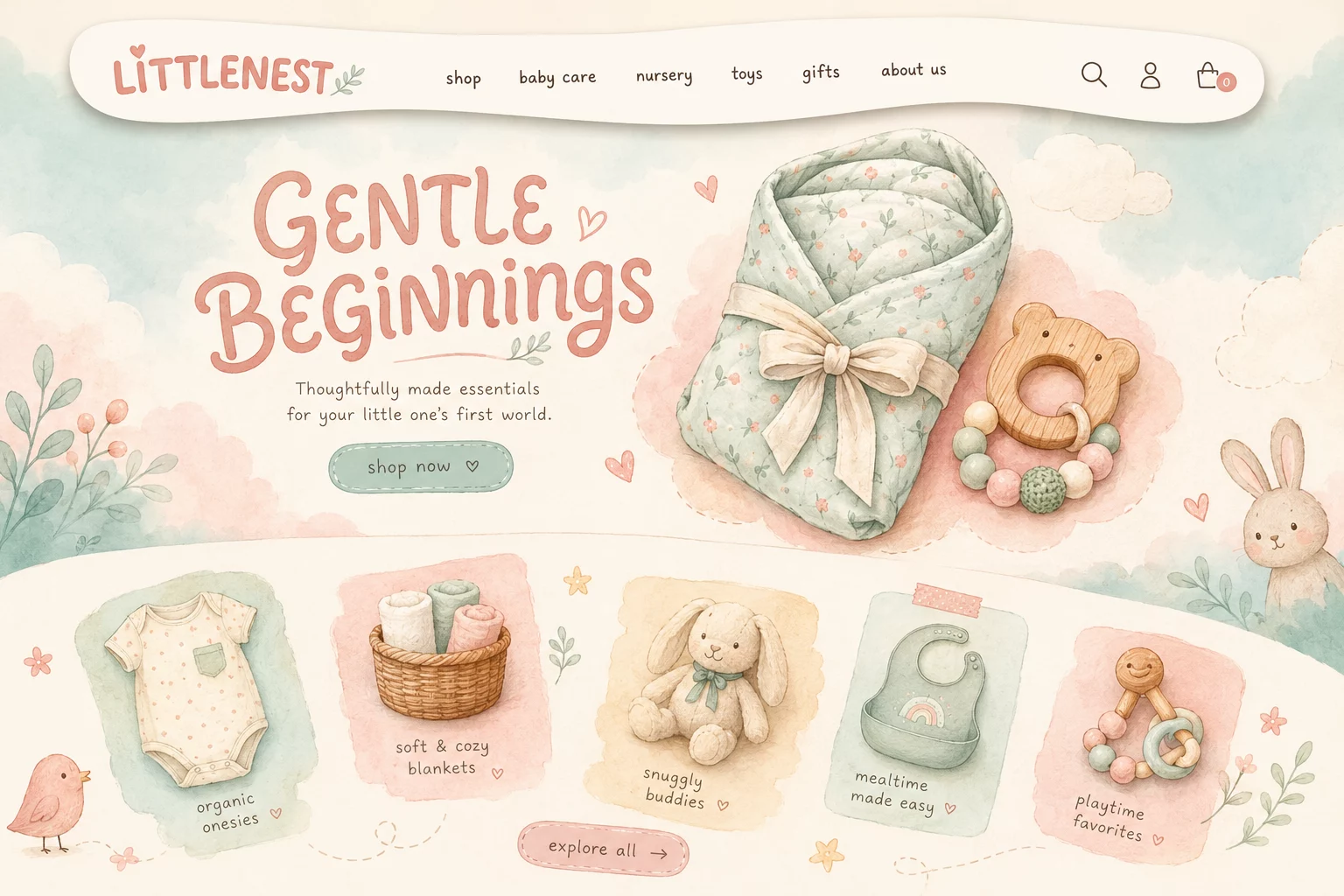
New parents research heavily before buying, so trust and safety messaging matter more than branding polish. Organic swaddles, food-grade silicone teethers, and registry-friendly bundles perform well. Certifications and reviews are non-negotiable here.
14. Blue Light Glasses
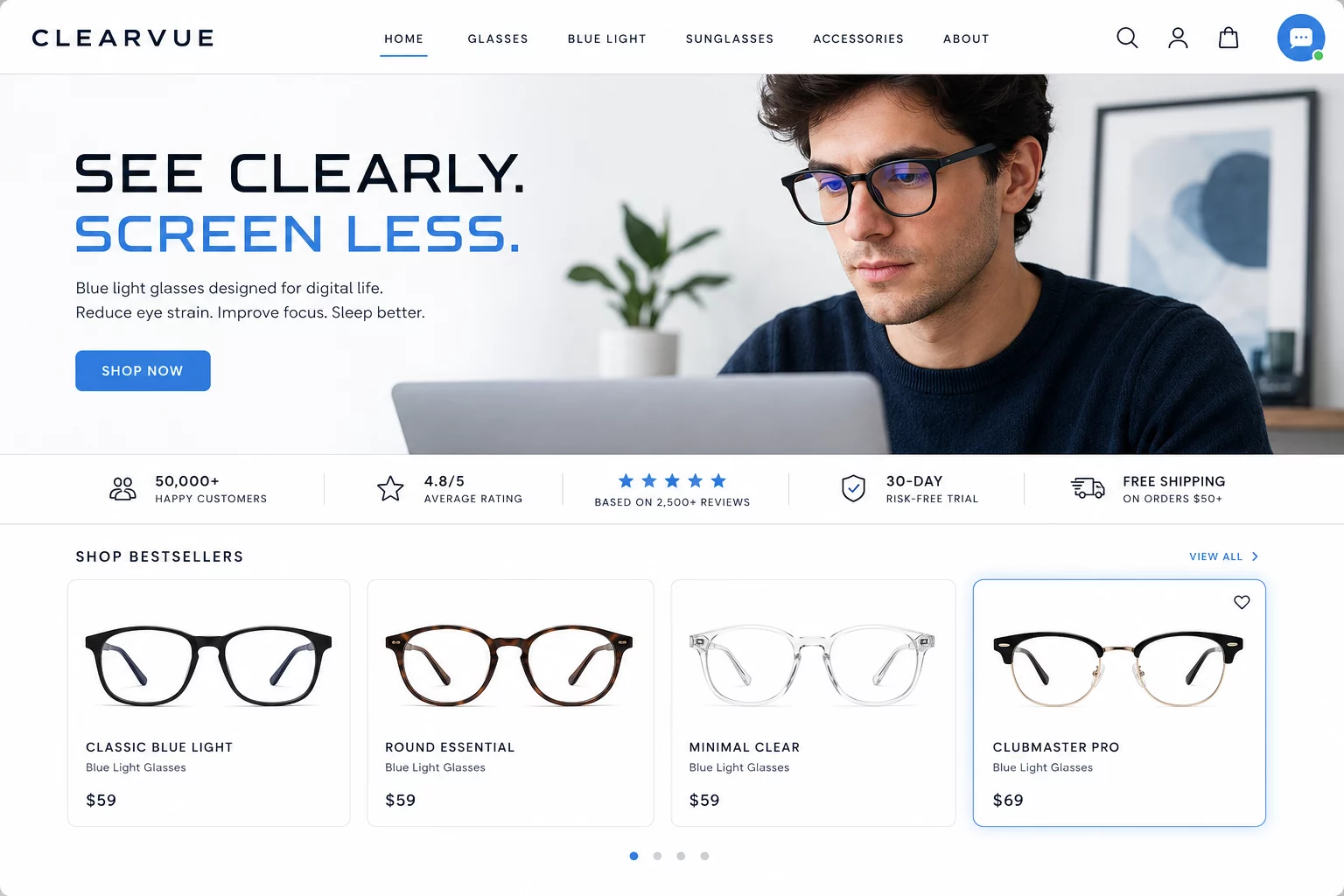
Screen-time fatigue keeps this category relevant across students, remote workers, and gamers. Fashion-forward frames differentiate better than pure function claims. A virtual try-on tool reduces checkout hesitation if you can offer one.
15. Tech Organizers
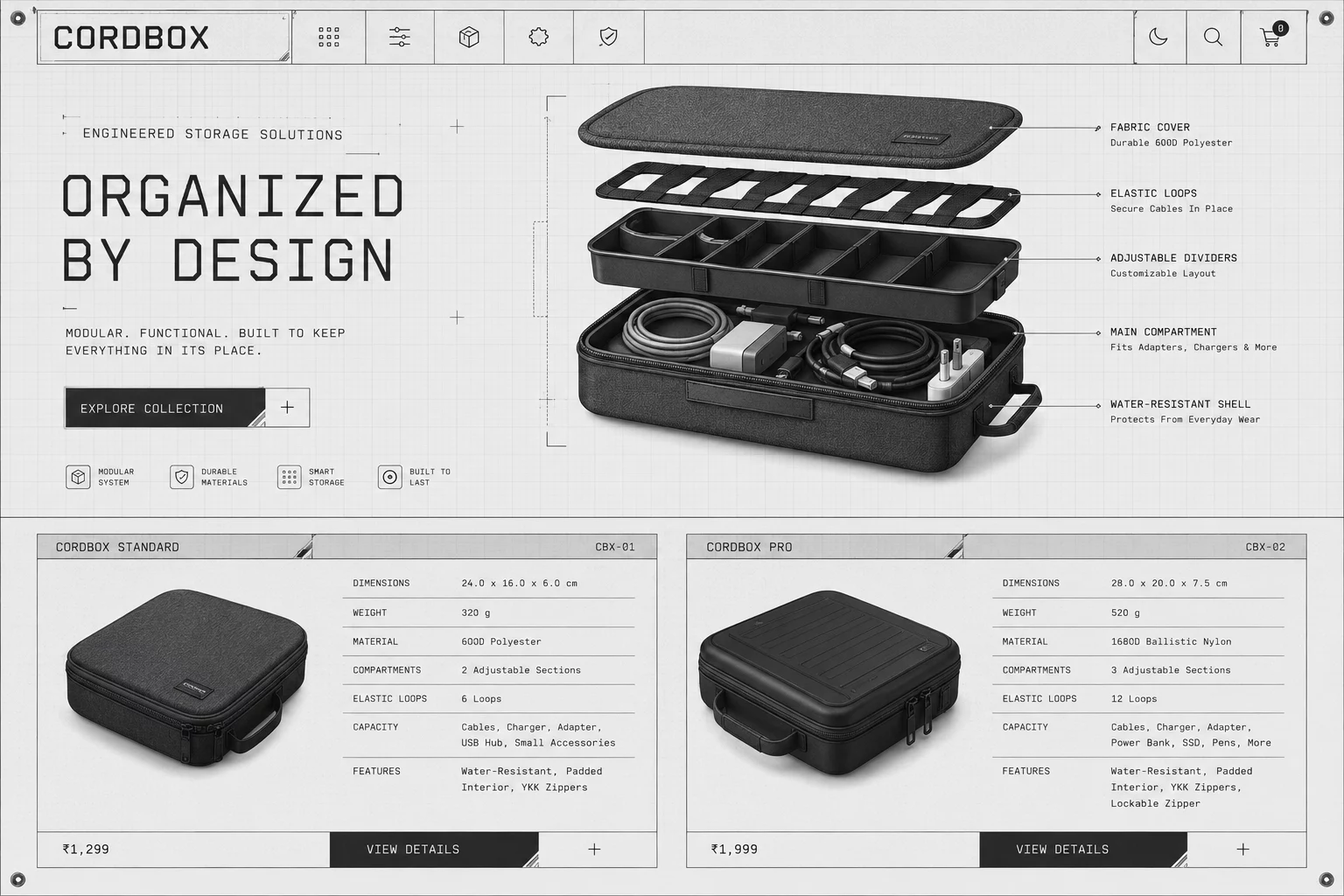
Cable and charger clutter is universal, which makes tech organizers highly giftable. Offer variations for specific use cases (travel, backpack, desk) rather than one generic size, and cross-sell into laptop sleeves once you’ve earned trust.
16. Wall Art
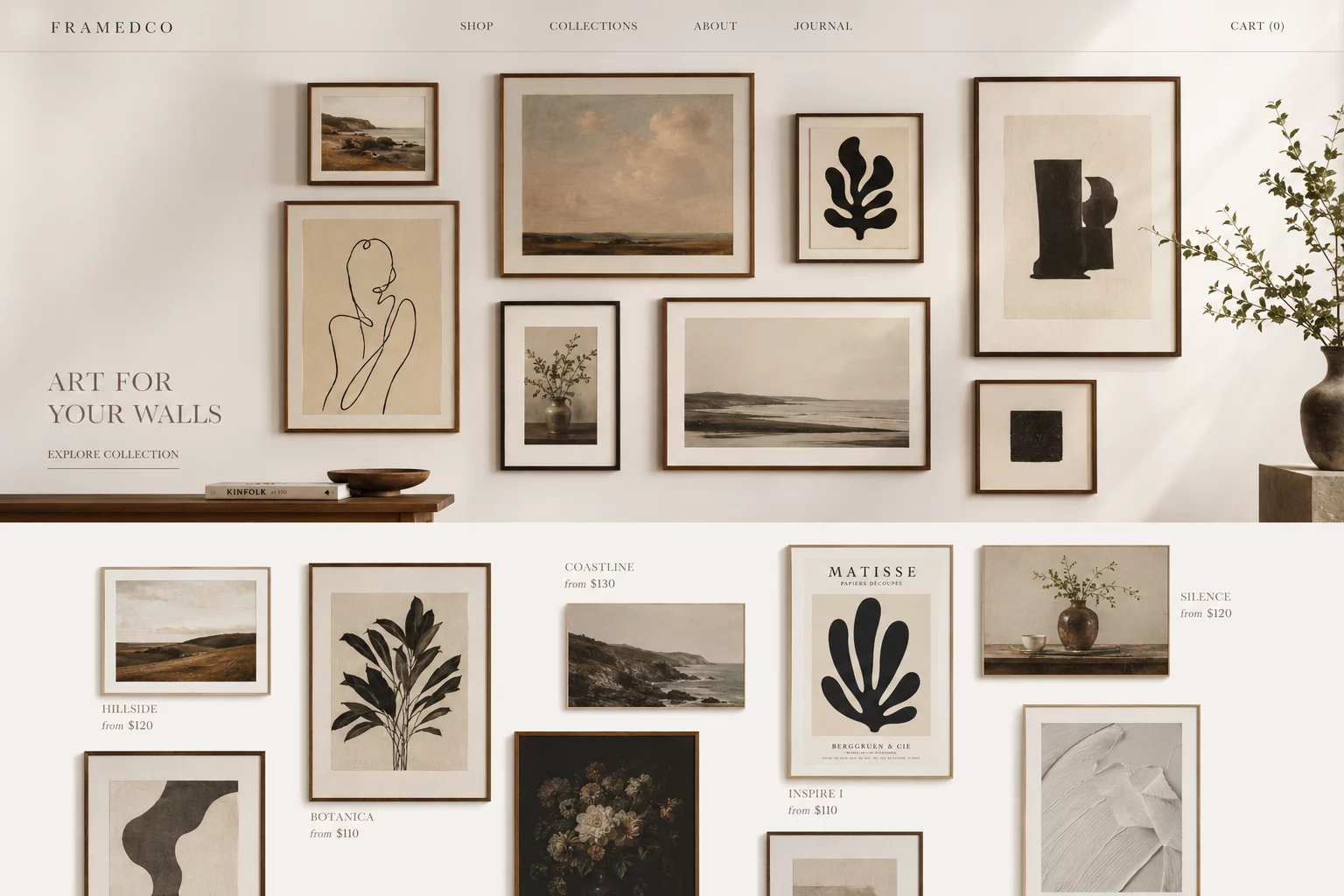
Wall art is showing steady, sustained growth on Google Trends, tied directly to the ongoing home-office and personalized-space trend. It’s affordable, easy to customize, and easy to ship, which makes it a low-risk category to test with print-on-demand before committing inventory.
17. Car Accessories
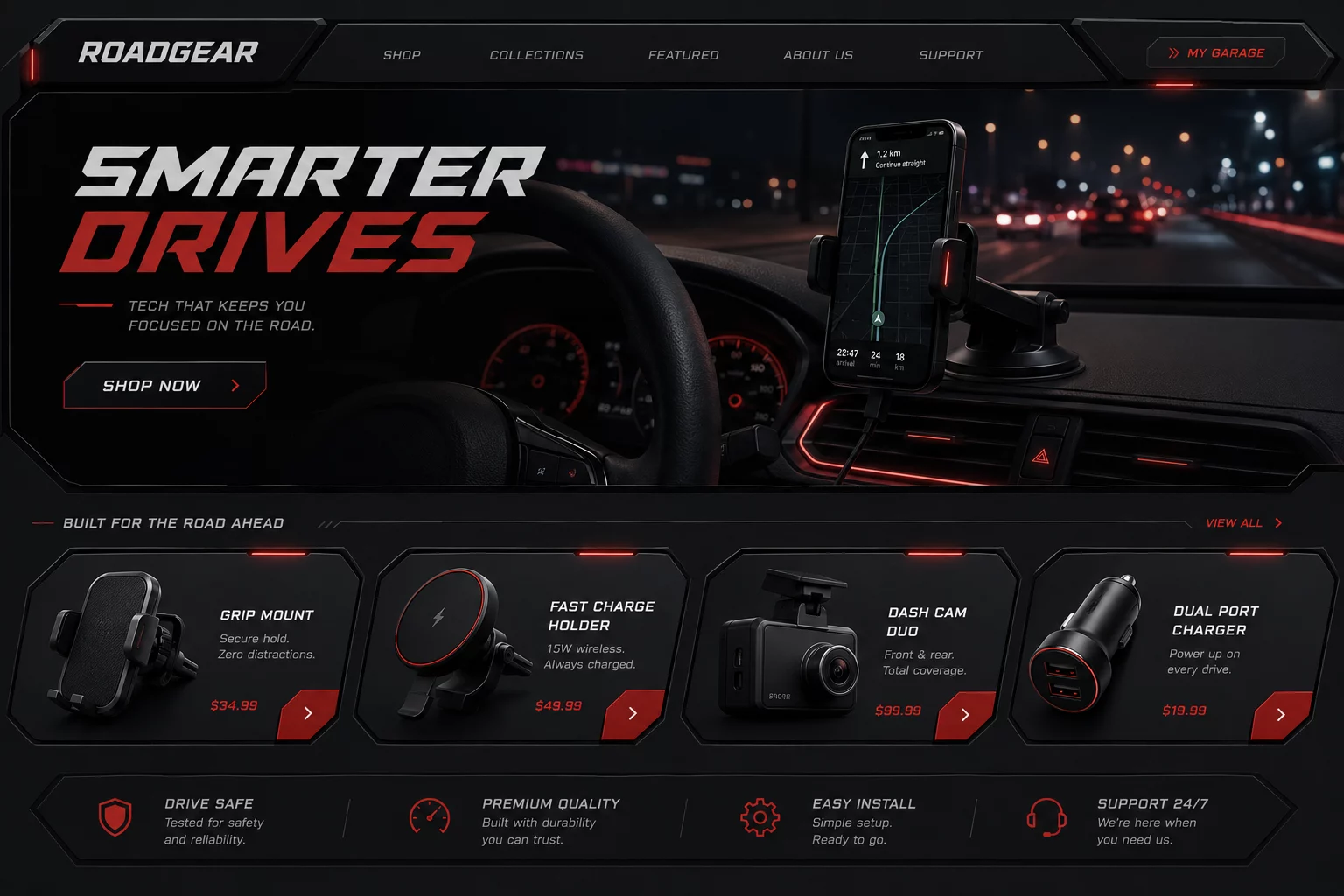
Small comfort and organization upgrades and utility products for cars sell well because they solve a daily annoyance. Visor clips, phone mounts, and discreet trash bins are easy wins. Short demo videos build more trust here than static photos.
18. Journals & Planners
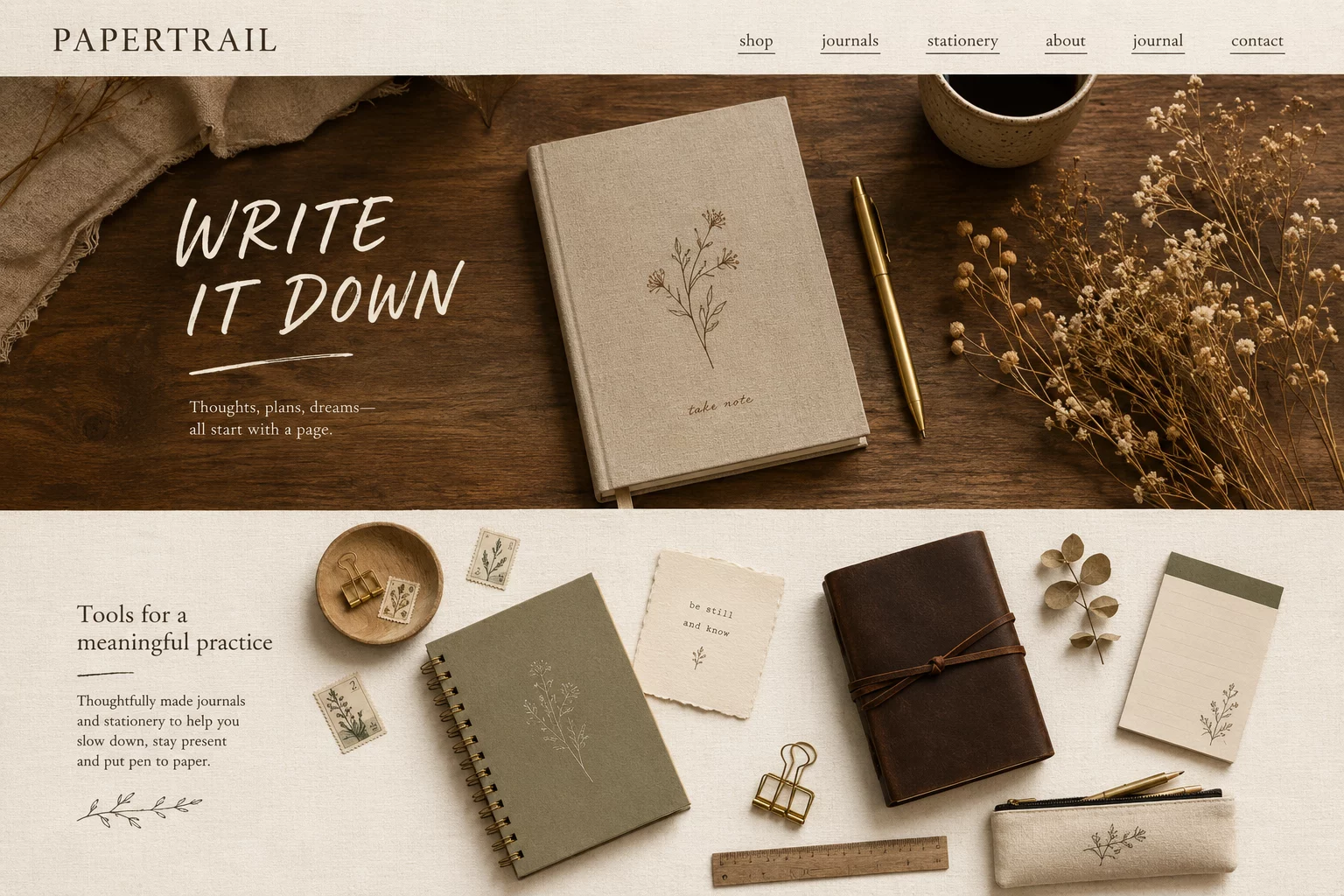
Journals sell on emotional connection, not just utility. Undated formats reduce pressure and widen your audience. Pair with gift-worthy packaging (a branded pen, a sticker set) to lift average order value.
19. Matching Sets (Loungewear)
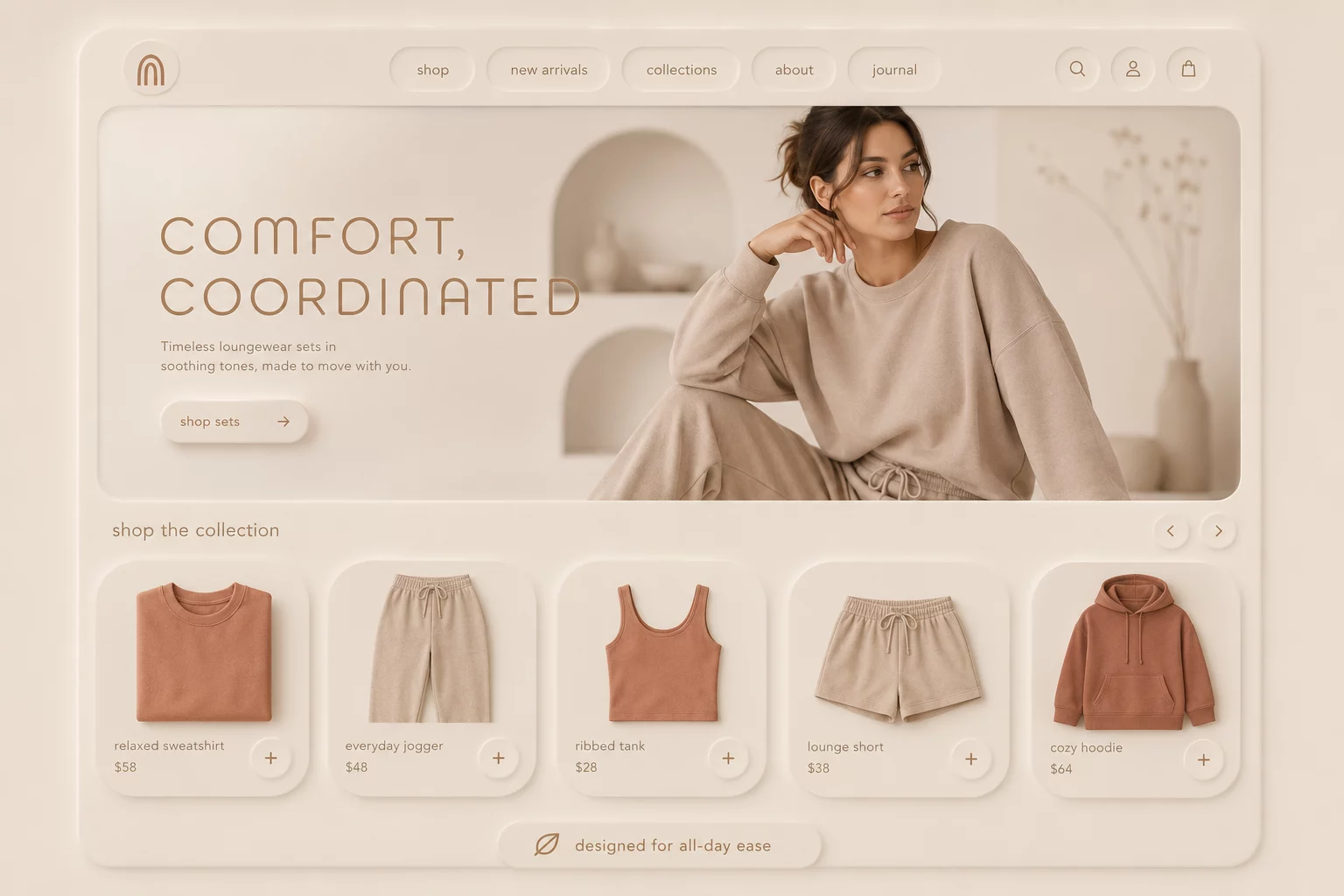
Coordinated loungewear sells the idea of effortless comfort without looking lazy. Soft materials and relaxed silhouettes are what shoppers expect now. Natural-light lifestyle photography and user-generated content outsell polished studio shots in this category.
20. Hair Care Products
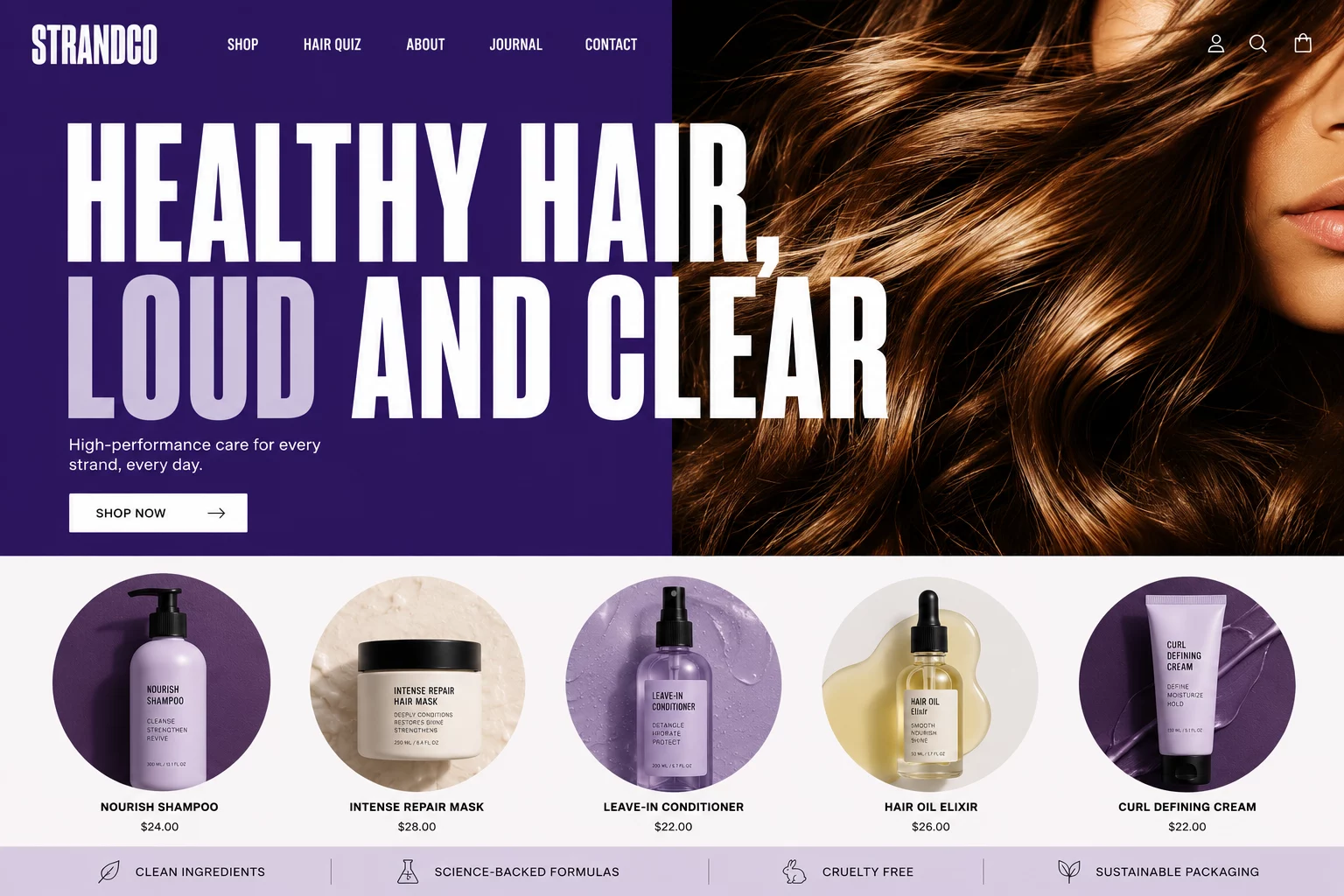
Hair care stays reliable because there’s always a specific problem to solve. Targeted formulas (scalp scrubs, curl creams, leave-in treatments) outperform generic shampoo and conditioner. Hair-drying brushes and repair masks are both showing sustained high search interest right now, worth testing as an entry point.
21. Sleep & Recovery Accessories
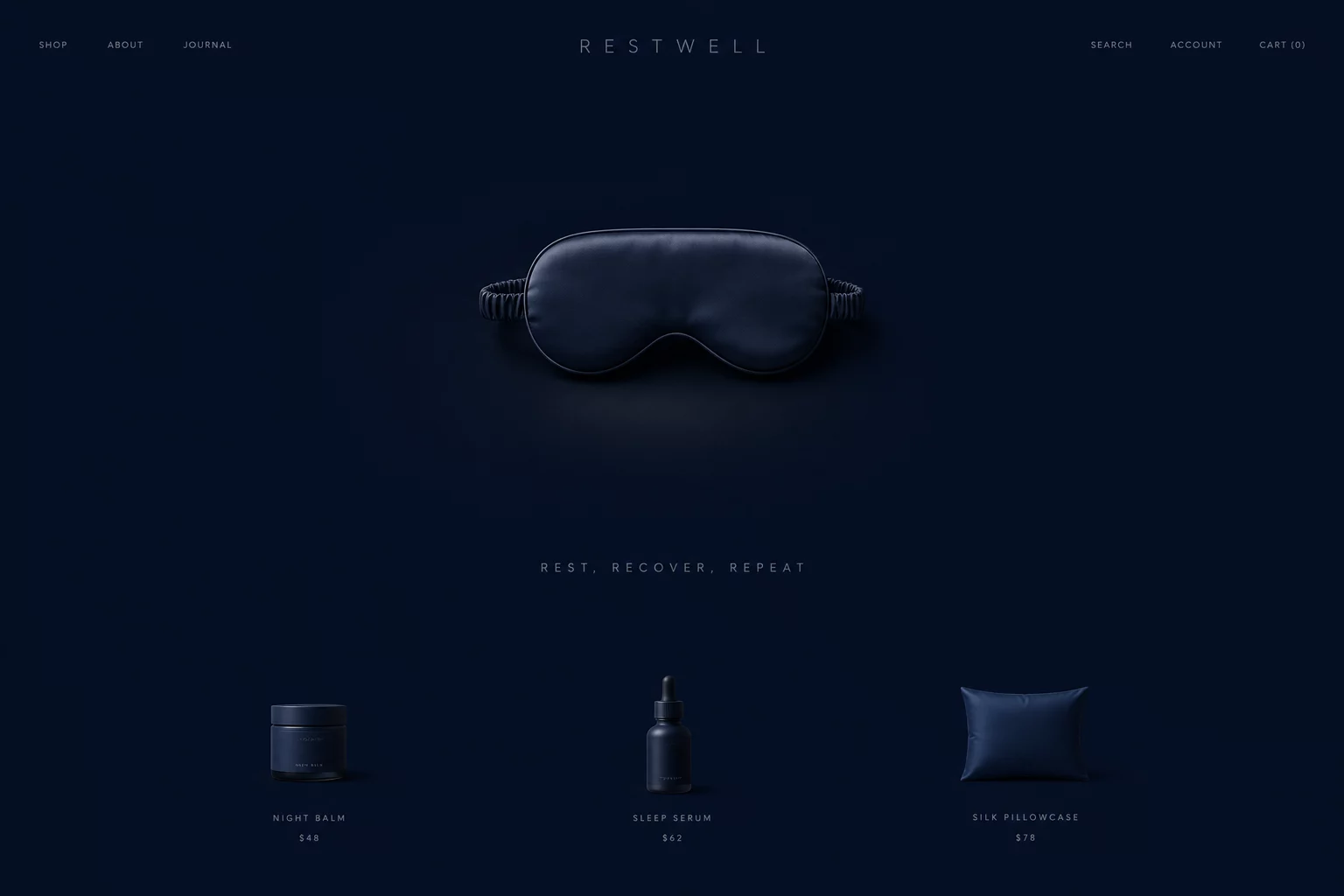
This is one of the sharpest-growing categories heading into 2026. Mouth tape, sleep bonnets, and sauna blankets are all showing sustained search growth as part of the broader sleep-optimization trend. Sauna blankets, in particular, sit in a high-perceived-value bracket, which supports healthy margins even after ad spend.
22. Wireless Earbuds
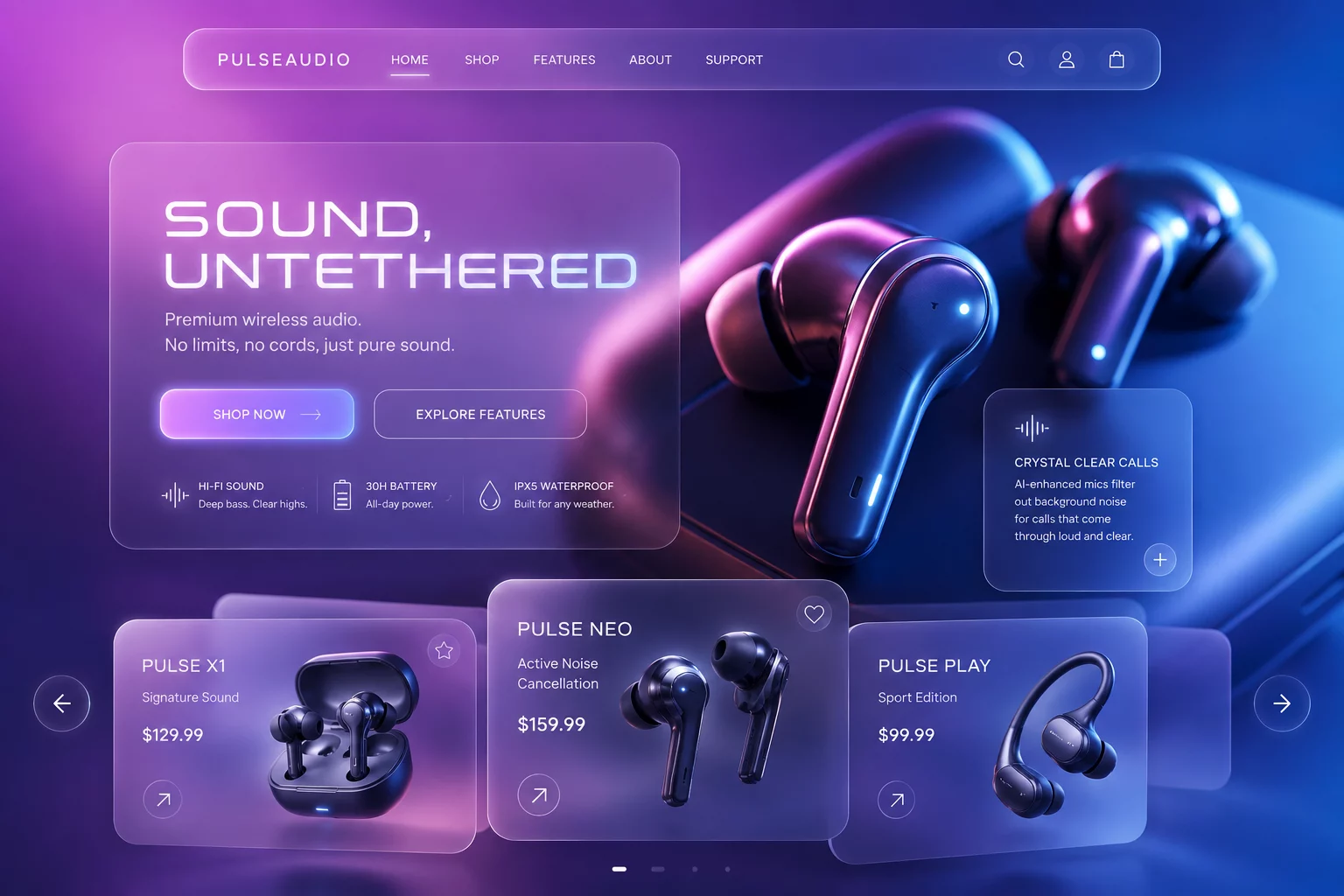
Earbuds are a constant-use essential, so you’re competing on comfort and battery life more than raw specs. Search interest spikes hardest toward year-end. A premium-feeling case can make even an affordable pair feel worth the price.
23. Smart Home Gadgets
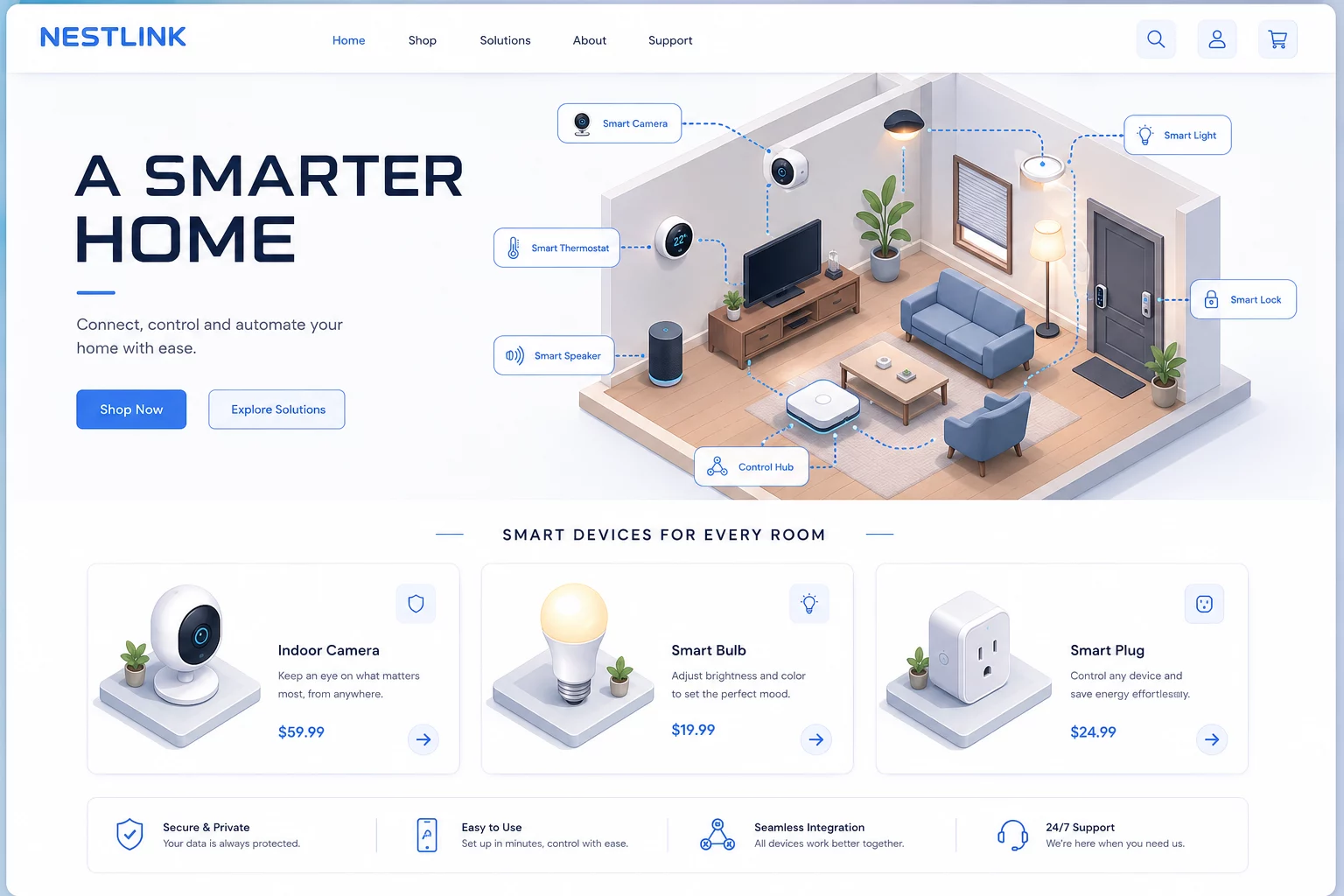
Smart plugs, motion sensors, and ambient lights sell because they’re simple to explain and easy to demonstrate. Clear setup instructions and compatibility callouts matter more than the feature list. Keep the pitch to “this just works,” not “this does everything.”
24. Makeup Tools
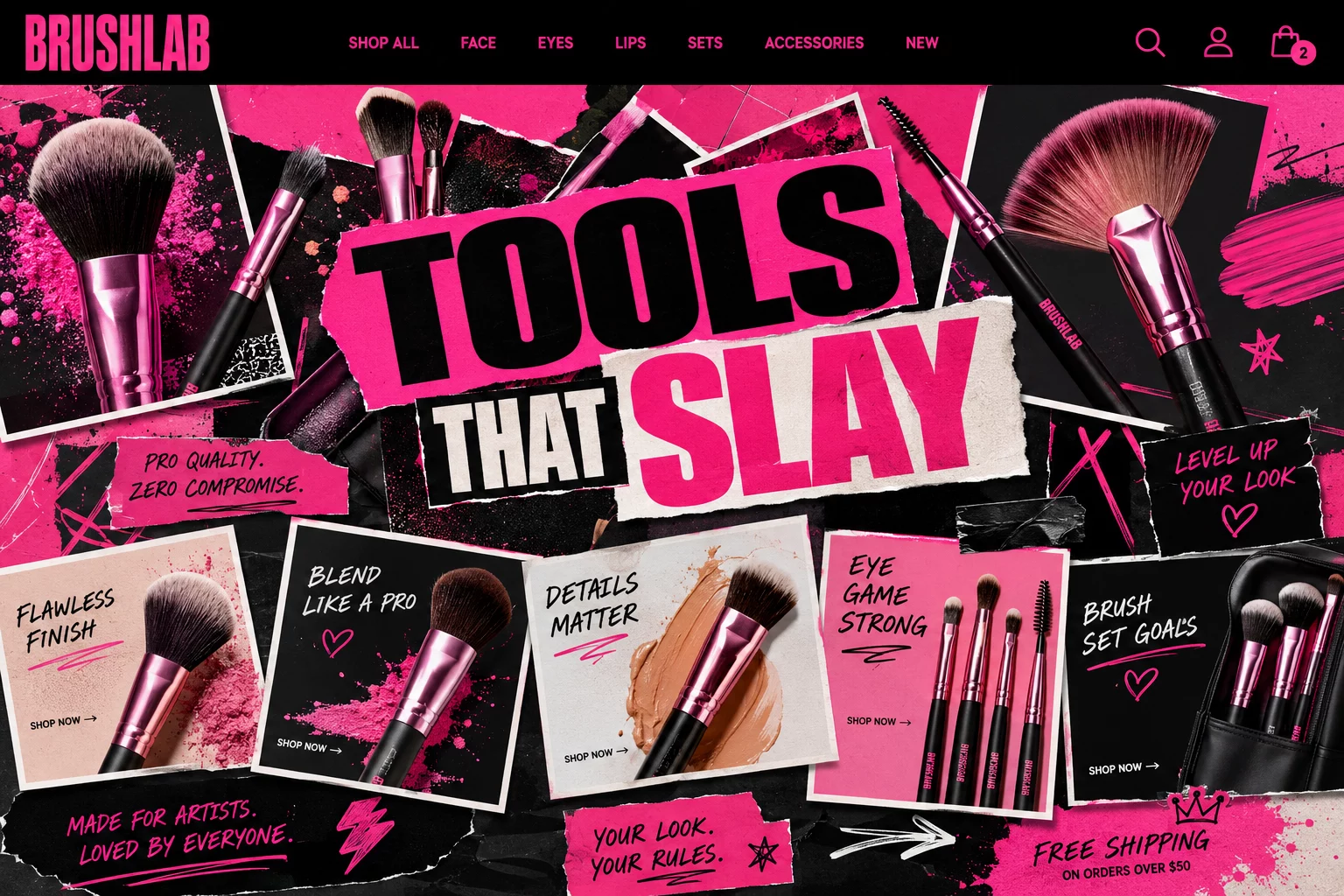
Tools get overlooked next to the products they apply, but a well-designed set (matte handles, travel cases, dual-end brushes) stands out fast. Bundling a beginner’s set with a short how-to guide simplifies the buying decision.
25. Candle Sets
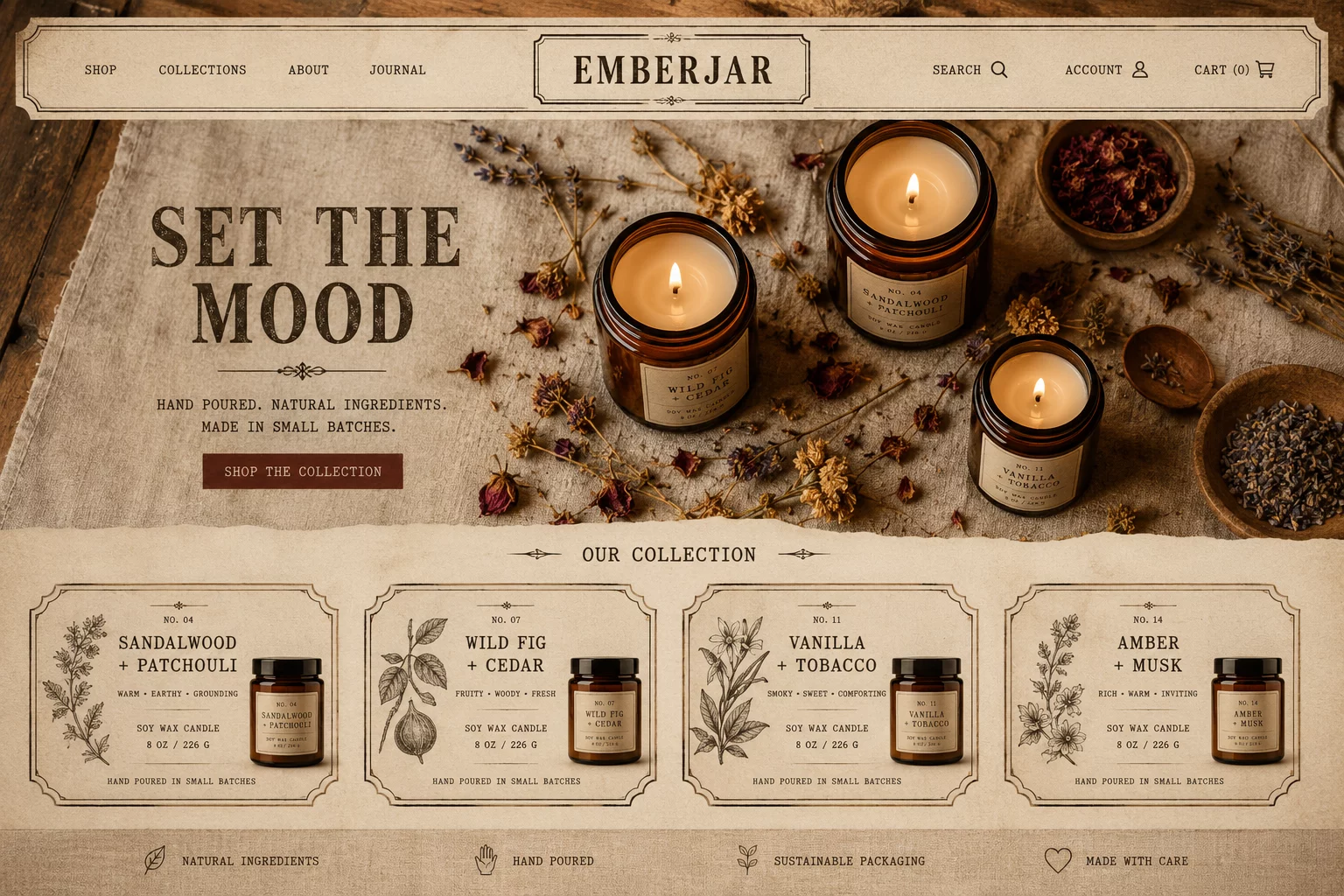
Candle sets sell on mood, not fragrance notes alone. Group scents into themes (“Focus,” “Calm,” “Cozy Evenings”) instead of listing them individually. Sustainable packaging and natural wax add a “worth displaying” quality that lifts perceived value.
How to Find the Best Products to Sell
Start with the problem, not the product. The strongest sellers on this list solve something specific: cable clutter, poor sleep, and screen fatigue. If a product doesn’t fix or improve something concrete, it’s a harder sell, no matter how trendy it looks.
Validate with Google Trends before you commit inventory. A rising search curve over months is a real signal. A sharp spike that disappears in weeks usually isn’t. Check the term’s five-year view, not just the last 30 days.
Test small before you scale. Print-on-demand, dropshipping, or small-batch runs let you validate demand without a large upfront commitment. Watch for one product or design pulling ahead of the rest, then double down on that.
FAQ
How do I know if a trend will last?
Check Google Trends over a 12 to 24-month window. Steady upward movement signals real demand. A sharp, short-lived spike usually signals a fad that won’t hold. You can also use advanced SEO tools like Ahrefs, Semrush, and Ubersuggest to identify trending products by looking at the search volume.
Are trending products the same as best-selling products?
Not always. A product can trend in search without converting well, and a steady seller might never show up on a trends chart. Use trend data to find candidates, then validate with actual sales.
How often should I update my product catalog based on trends
Quarterly is a reasonable cadence for most stores. Seasonal categories (car accessories, home fitness) need more frequent review than evergreen ones (skincare, journals).
Conclusion
There’s no shortage of products you could sell on Shopify in 2026, but the winners won’t be the stores chasing every trend. They’ll be the ones choosing a focused niche, solving a clear customer problem, and validating demand before investing heavily.
Use this list as a starting point, not a checklist. Research the products that fit your audience, study the competition, and test with small launches before scaling what’s working. Whether you choose an evergreen category like skincare or a fast-growing niche like sleep accessories, consistent execution matters far more than finding a single “perfect” product.
The right product is only the beginning. Pair it with strong branding, high-quality product pages, and a smooth shopping experience, and you’ll give your Shopify store a much better chance of standing out in 2026 and beyond.


Subcribe to our newsletter


