Share:


Table of Contents
White label products are pre-manufactured goods that multiple businesses can brand and sell under their own names, allowing sellers to focus on marketing and customer relationships rather than production. This model is significant because it enables quick market entry and brand establishment without the complexities of product development, making it an attractive option for aspiring entrepreneurs.
- White label products are generic items produced by one manufacturer and sold by various businesses under different brands.
- Sellers control branding, packaging, and pricing while the manufacturer handles production and quality control.
- Common white label categories include skincare, supplements, pet products, and digital goods, each with unique market dynamics.
- The model allows for different sourcing methods, including ready-to-label stock, white label manufacturing, print-on-demand, and digital products.
- Successful white labeling relies on effective branding and positioning to differentiate from competitors selling identical products.
- Understanding supplier quality, documentation, and market regulations is crucial for building a trustworthy and profitable brand.
Are you planning to sell white label products but not sure where to start? You’re not alone. It’s one of the quickest ways to launch your own brand without spending months on product development or investing in manufacturing.
The idea is appealing for a reason. Supermarket store brands, skincare lines, coffee subscriptions, and countless online stores already run on this model. Sellers focus on branding, packaging, and marketing, while the manufacturer handles production.
But before you pick a product and slap your logo on it, you should understand how the model actually works. Choosing the wrong product or supplier can leave you competing on price with dozens of sellers offering the exact same item.
In this guide, we’ll cover what white label products are, how they work, and the best white label product ideas for your online store.
White label products are ready-made goods produced by one manufacturer and sold by multiple businesses under their own brand names. The manufacturer handles production and quality control, while each seller adds its own logo, packaging, and pricing.
The term comes from the idea of a blank white label on the packaging. The product arrives unbranded, and the seller fills in that empty space with its own brand identity.
The easiest place to spot white labeling in action is your local supermarket. Many store-brand products, like canned vegetables, cereals, or paper towels, aren’t made by the supermarket itself. Manufacturers produce them for several retailers, changing little more than the label on the package. The product inside is often identical across brands.
The same logic applies to online stores. A seller might buy unbranded candles, skincare serums, or water bottles from a supplier, add custom labels and packaging, and sell them as part of their own product line.
A few things define the white label model:
- The product isn’t exclusive: The same manufacturer sells the same item to other businesses, so your competitors may be selling something identical.
- Customization is limited to branding: You control the label, packaging, and presentation, but the formula or design stays the same.
- The seller owns the customer relationship: Pricing, marketing, and customer experience are entirely in your hands.
At its core, white labeling follows a simple flow. A manufacturer produces a generic product and offers it to multiple businesses. A seller picks that product, applies its own branding, sets the price, and sells it to customers through its own store or marketplace. The manufacturer stays in the background, and the customer only ever sees the seller’s brand.
Where things differ is how you source the product. There are four common routes, and each one changes how much money you put upfront, how much control you have, and how fast you can launch.
1. Ready-To-Label Wholesale Stock
This is the most straightforward option. Suppliers keep finished, unbranded products in stock, and you buy them in bulk to add your own labels and packaging. Think of skincare jars, candles, or supplements that are already made and just waiting for a brand name.
Since the product already exists, you can launch fast and order smaller quantities than custom manufacturing would require. The trade-off is that you handle storage, labeling, and shipping yourself, and you’re picking from what the supplier already carries.
If you’ve searched for white label products wholesale, this is the model most suppliers are offering.
2. White Label Manufacturing
Here, you work directly with a manufacturer that produces a proven, ready-made formula or design and packages it under your brand. The manufacturer often handles labeling and packaging as part of production, so you receive branded products ready to sell.
This route usually requires a larger first order and longer lead times than buying from stock. In return, you get a more polished, retail-ready product with packaging built for your brand. It’s common in categories like cosmetics, supplements, coffee, and cleaning products.
3. Print-On-Demand
With print-on-demand, you upload your designs, and a provider prints them onto blank products like t-shirts, mugs, tote bags, or phone cases only when a customer places an order. The provider also handles printing, packing, and shipping.
There’s no inventory to buy and almost no upfront cost, which makes it a low-risk way to test product ideas. The catch is thinner margins per sale and less control over production quality and delivery times, since everything happens on the provider’s end.
4. Digital and Software Products
White labeling isn’t limited to physical goods. Many businesses license digital products like templates, planners, online courses, or design assets and resell them under their own name. In the software world, white-label SaaS products let agencies and businesses rebrand an existing platform and offer it to their clients as their own tool.
Digital products come with no shipping or inventory concerns, and margins can be high. The challenge is standing out, since licensed content is often available to many resellers, and buyers can quickly spot something generic.
Not every product is a good fit for white labeling. The best candidates tend to share a few traits: customers buy them repeatedly, there’s enough room between your cost and selling price to cover marketing and fulfillment, and branding actually influences the buying decision.
If you’re still working out your pricing, it helps to understand how to calculate your profit margin before committing to a category.
Here are ten white label product categories worth considering, along with why they work and how to keep your brand from blending in.
1. Skincare
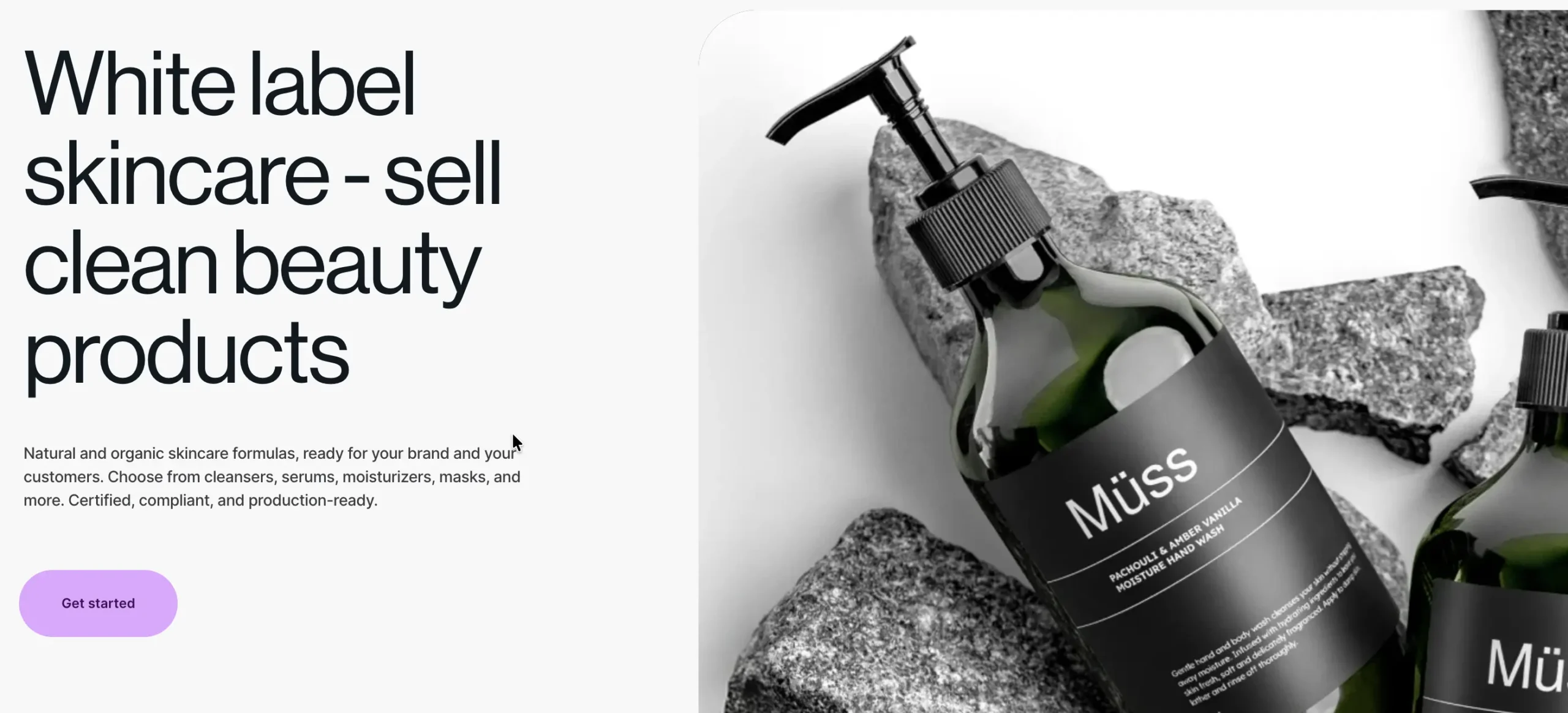
Skincare is a repeat-purchase category. Customers run out of cleansers, serums, and moisturizers and come back for more. Most shoppers never know which manufacturer produced the formula. What they respond to is the brand on the label, the ingredients it highlights, and how the packaging looks and feels.
That makes skincare a natural fit for white labeling. The key is to go niche, since a line built for sensitive skin, men’s grooming, or a minimalist routine is far easier to market than a general skincare brand. Before launching, confirm that your supplier provides ingredient lists and safety documentation that meet the labeling rules in your selling market.
2. Supplements
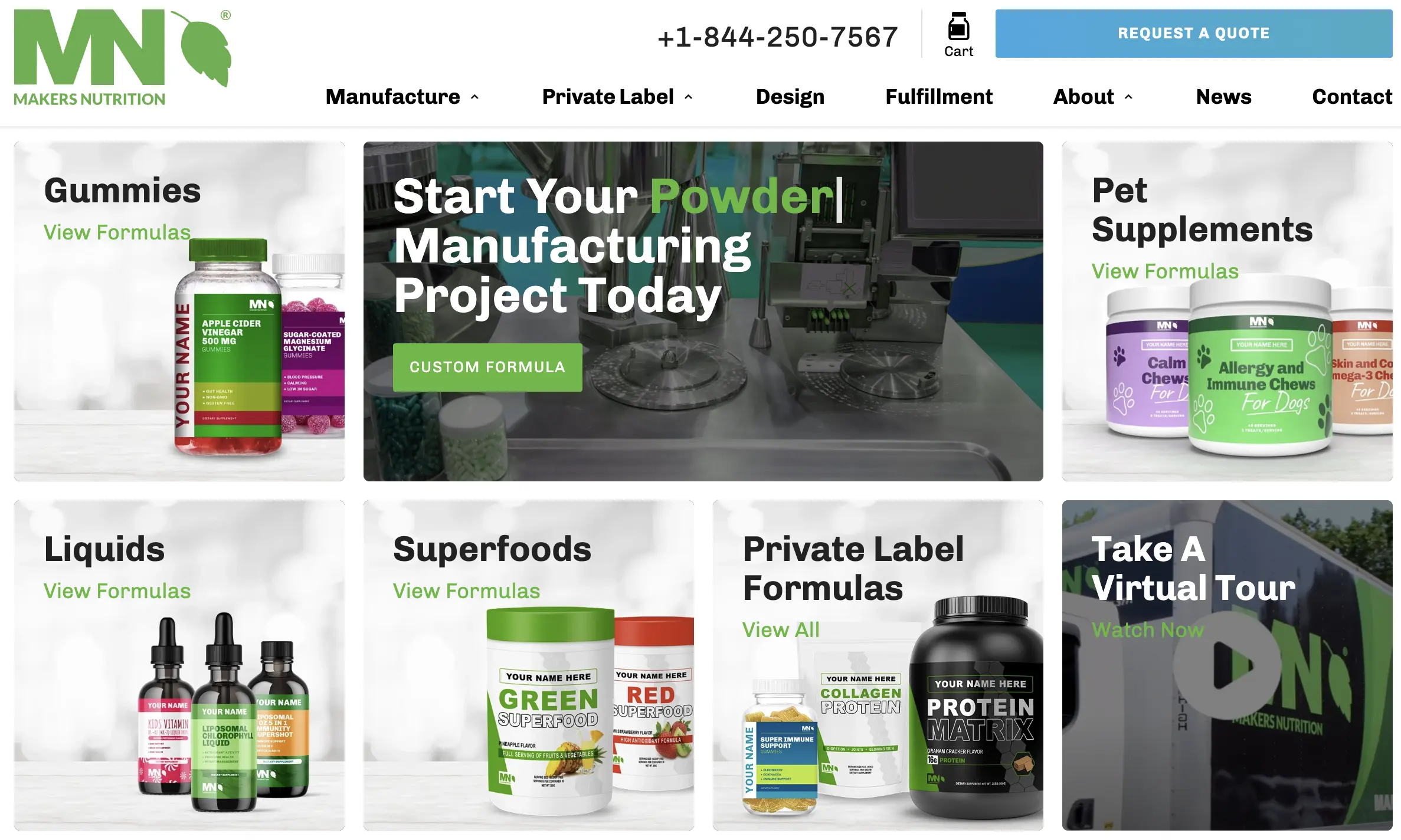
Vitamins, protein powders, and wellness blends are consumed daily, so reorders happen naturally. Many manufacturers already offer proven formulas that are ready to brand, which shortens your path to launch.
To stand out, build your brand around a specific audience and goal, like supplements for runners or busy parents. Supplements are also one of the more regulated categories, so be careful with label claims and ask suppliers for third-party testing or a certificate of analysis for each batch.
3. Pet Products
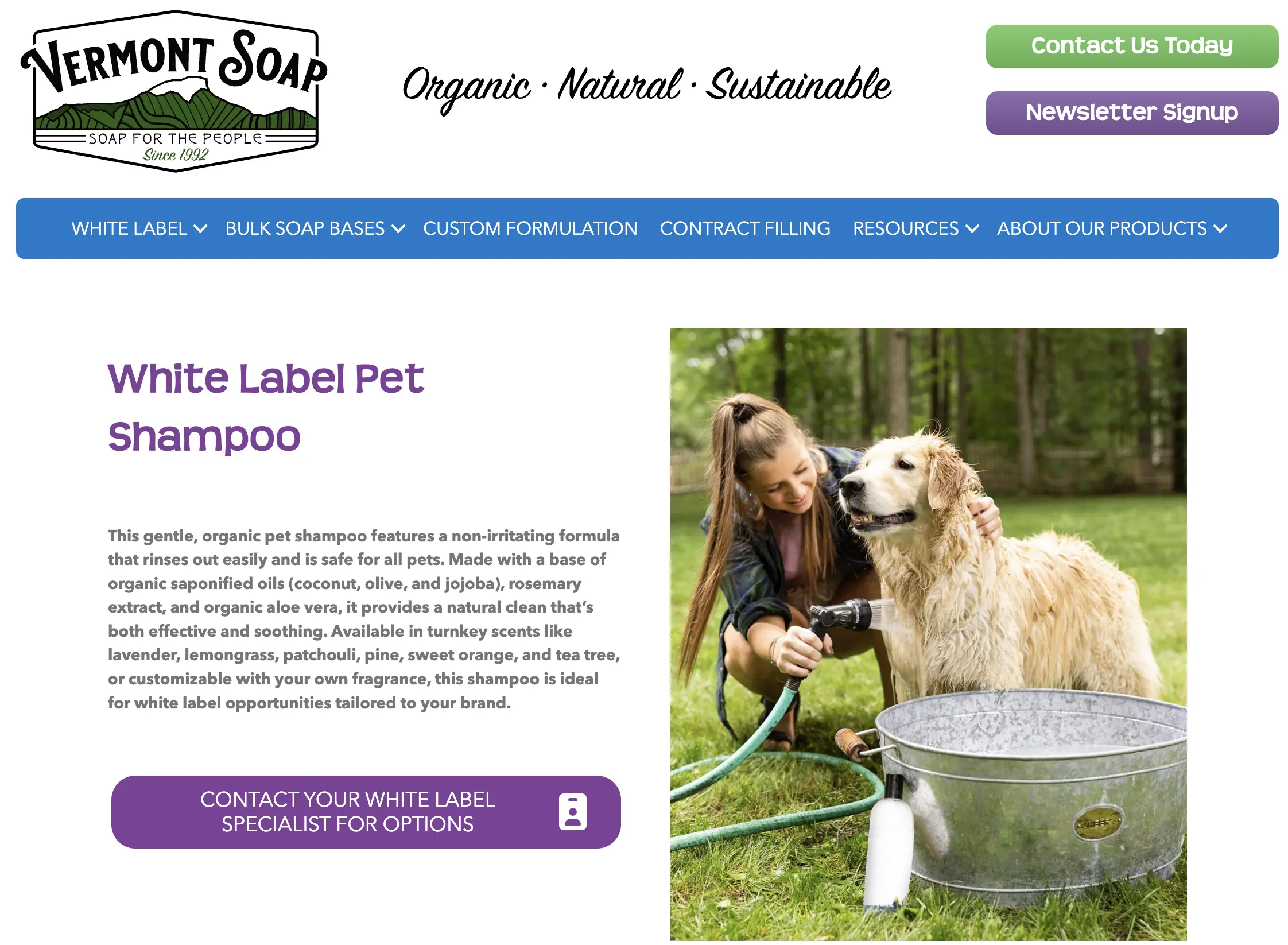
Pet owners buy treats, grooming products, and accessories all year round, and once they find a brand they trust, they tend to stick with it. That loyalty makes pet products a strong category for white labeling, but only if you give customers a clear reason to choose you.
A focused angle like senior dog care, organic cat treats, or eco-friendly accessories will carry your brand much further than a general pet store. If you’re selling anything edible, look closely at ingredient sourcing and safety documentation, because pet owners pay close attention to what goes into their animals’ food.
4. Coffee and Tea
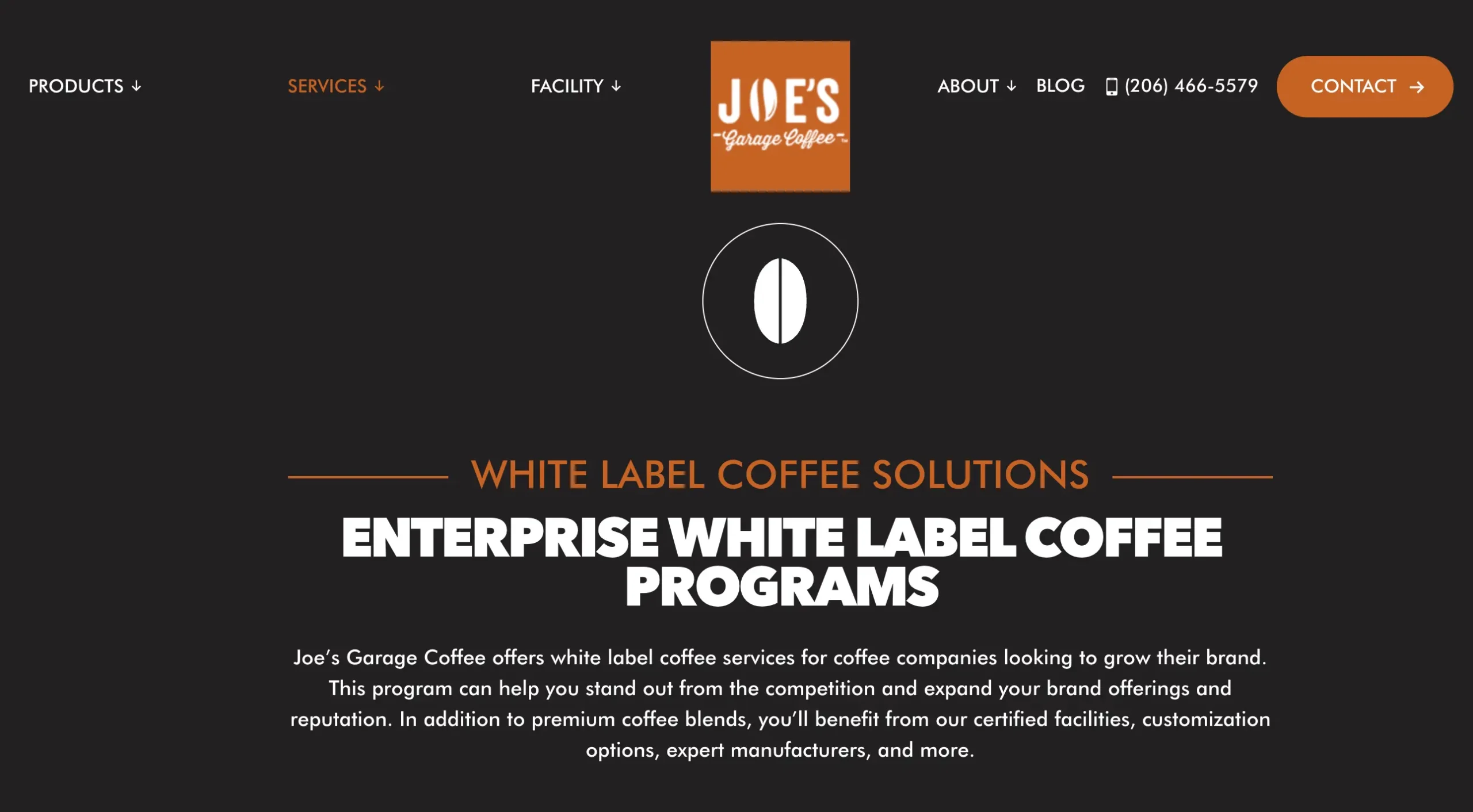
Coffee and tea have short reorder cycles and plenty of room for brand storytelling, with packaging, origin, and flavor profiles all shaping what people buy. You can stand out by leaning into a theme, such as single-origin blends, functional drinks, or flavors tied to a lifestyle.
Freshness matters a lot in this category, so ask suppliers about roast dates and turnaround times. Coffee and tea also lend themselves well to subscriptions, which helps turn one-time buyers into regular customers.
5. Candles and Home Fragrance
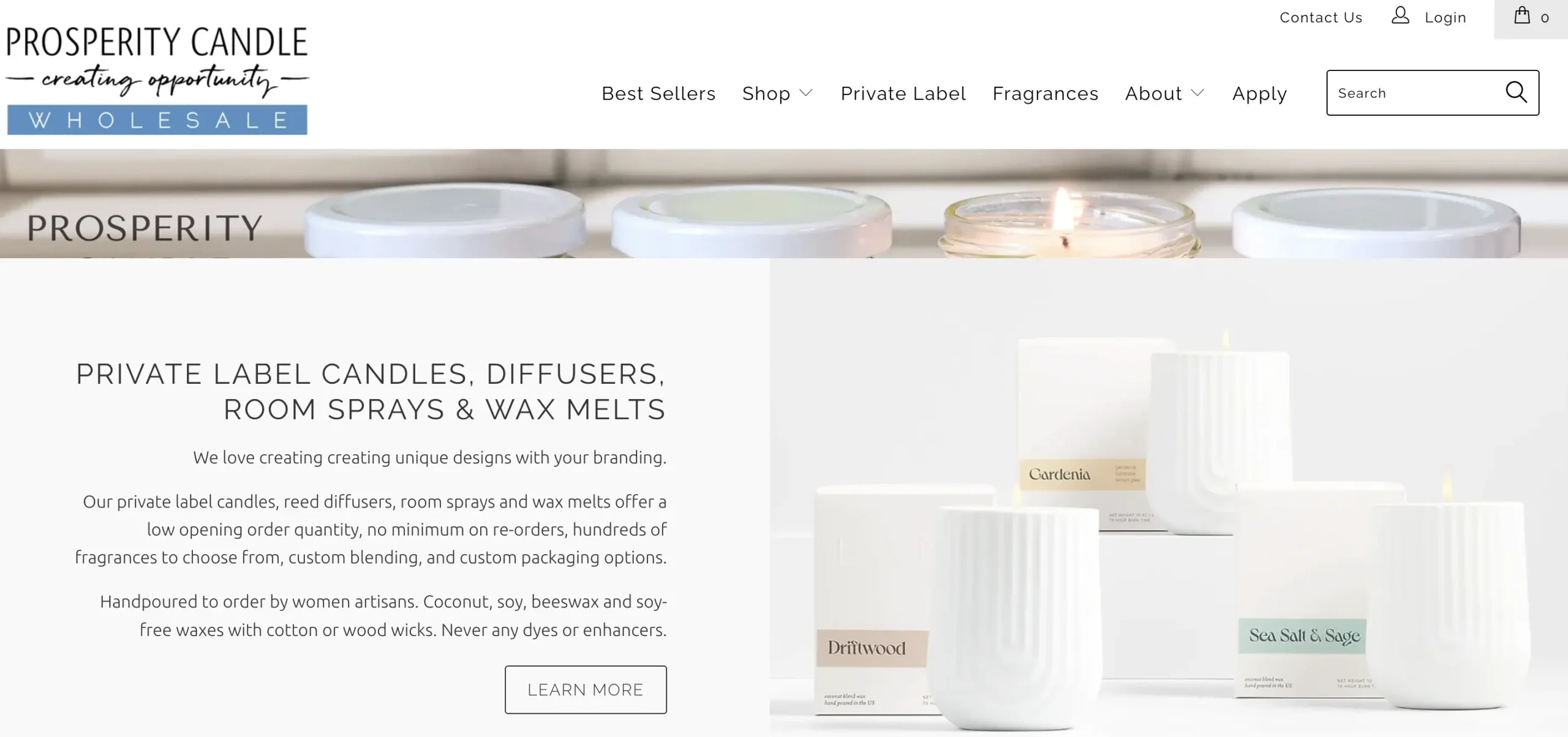
Candles are giftable and carry high perceived value compared to their production cost. Sales tend to peak around the holidays, but birthdays, housewarmings, and other gifting occasions keep orders coming in the rest of the year.
Seasonal collections, limited-edition scents, and strong visual branding go a long way here. Just make sure your supplier’s products come with proper safety labeling, since warning labels are expected on candles in most markets.
6. Drinkware
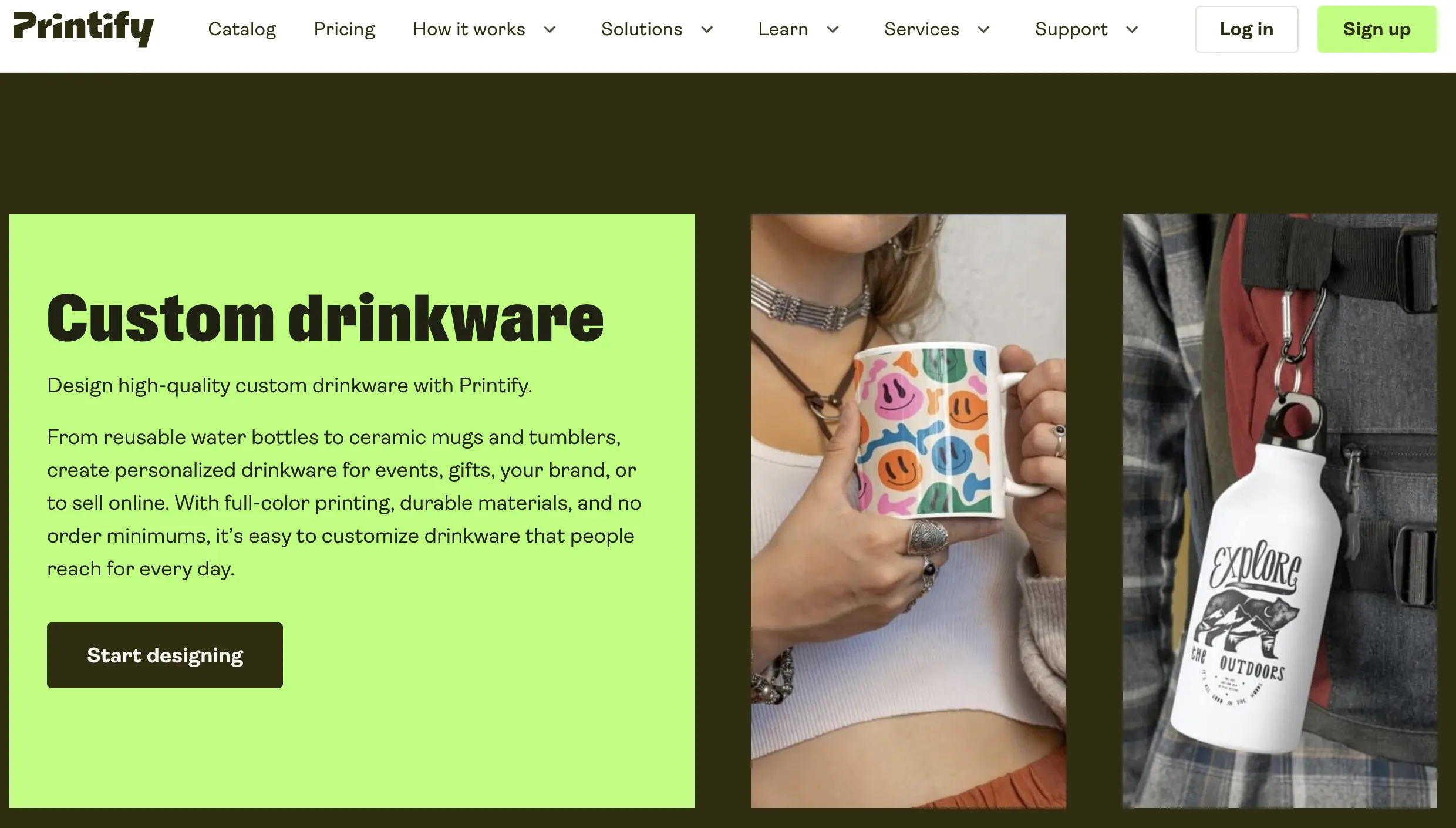
Water bottles, tumblers, and mugs are everyday items with low entry costs. Because people carry them to work, the gym, or on trips, they put your brand in front of new people without any extra ad spend.
The best way to stand out is to target a specific aesthetic or audience, such as hikers, office workers, or gym-goers, rather than trying to appeal to everyone. Ask suppliers to confirm that materials are food-safe, especially for anything designed to hold hot drinks.
7. Apparel
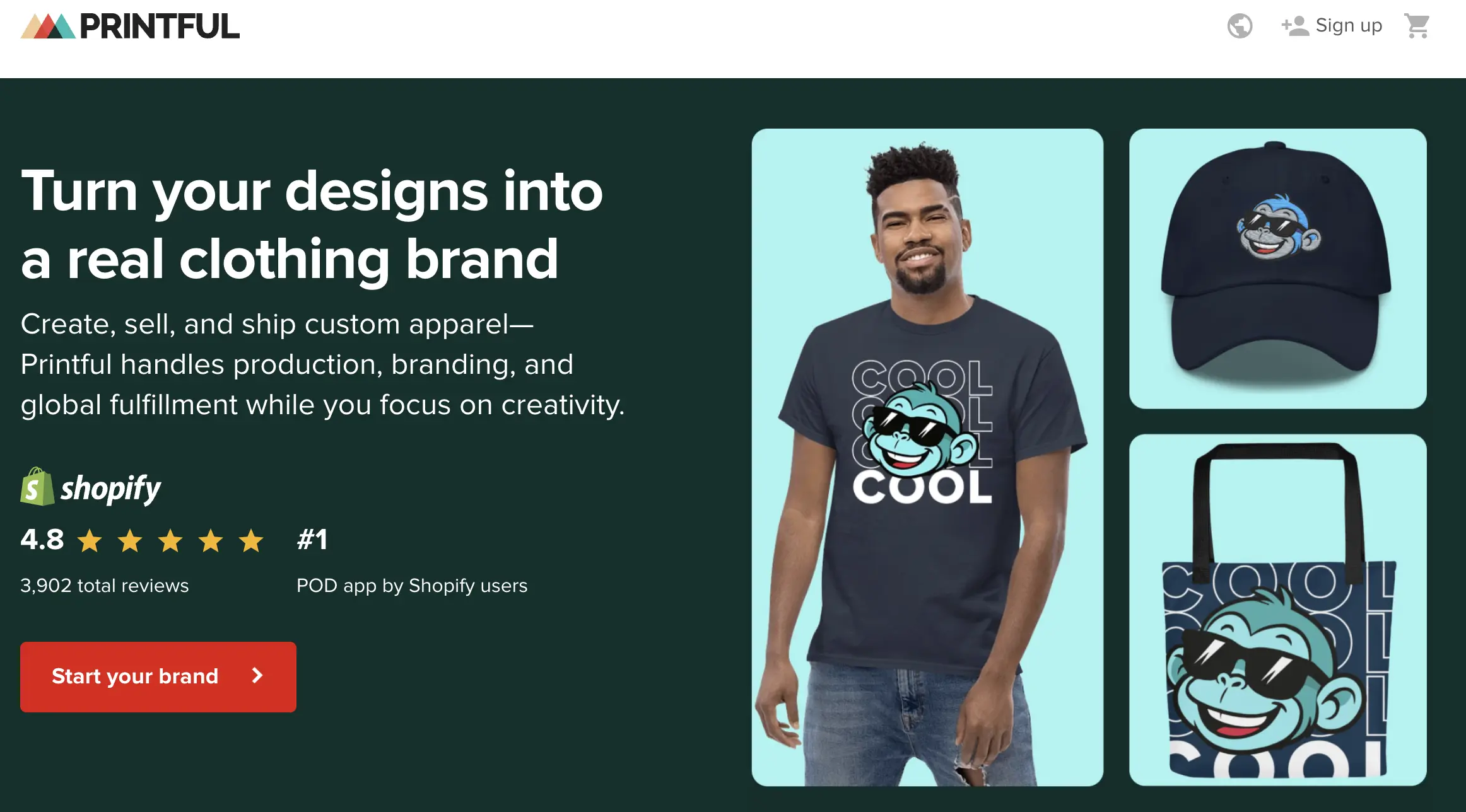
T-shirts, hoodies, and activewear are easy to brand and simple to test, especially through print-on-demand, and they build brand visibility the moment someone wears them. That said, the blank itself is rarely what sells.
Design and community matter far more, so brands built around a niche, a lifestyle, or a strong visual identity have a much better shot than generic graphic tees. Order samples to check fabric quality and sizing before you go live.
8. Fitness Accessories
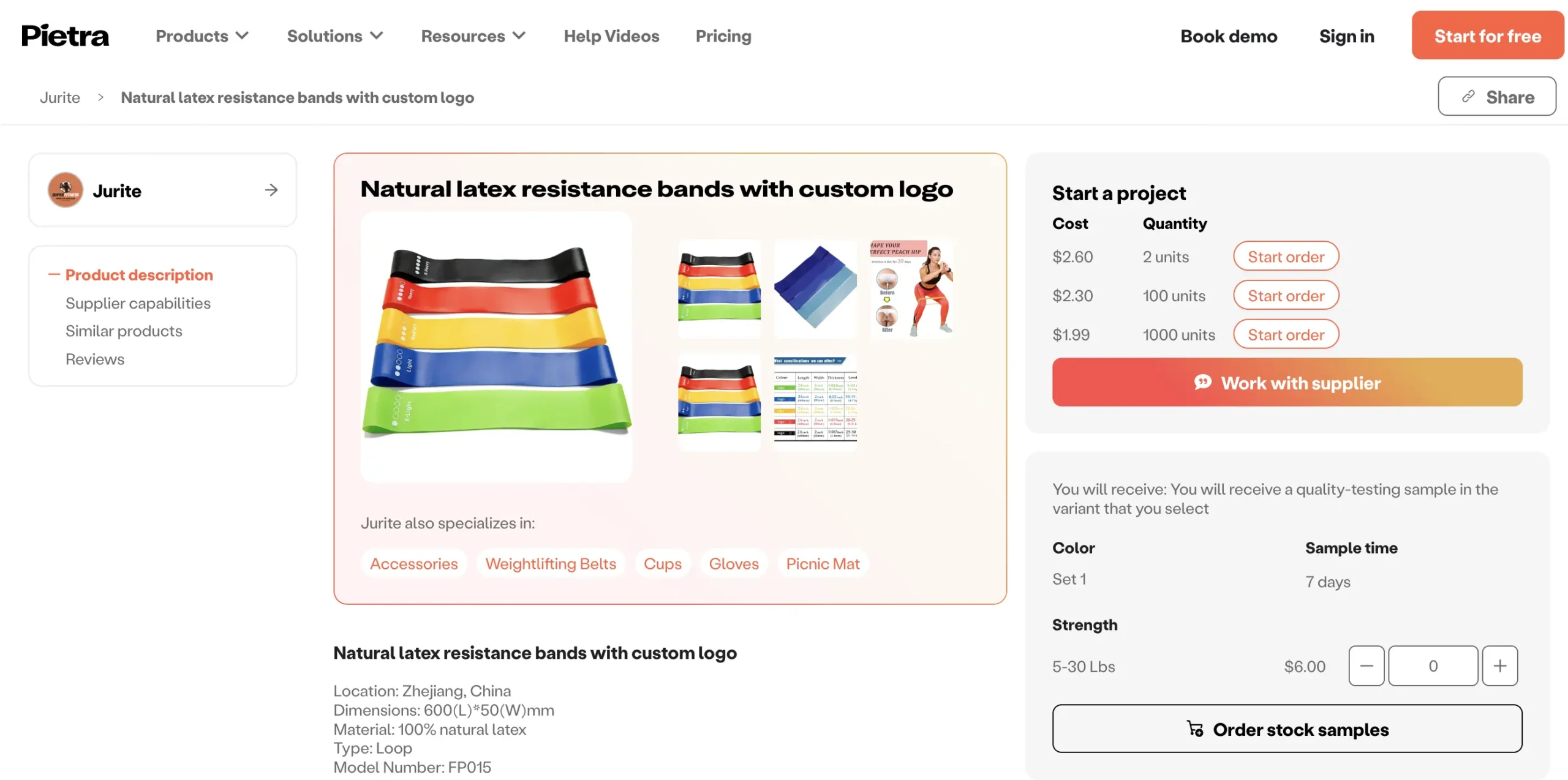
Resistance bands, yoga mats, and foam rollers are affordable to source and appeal to people actively working toward a goal. Instead of selling single standalone items, build a product set around one type of customer, such as home workout beginners or yoga practitioners.
A coordinated kit feels more valuable and gives buyers a reason to spend more per order. Test material durability before you buy in volume, since low-quality fitness gear tends to show its flaws quickly.
9. Eco-Friendly Home Goods
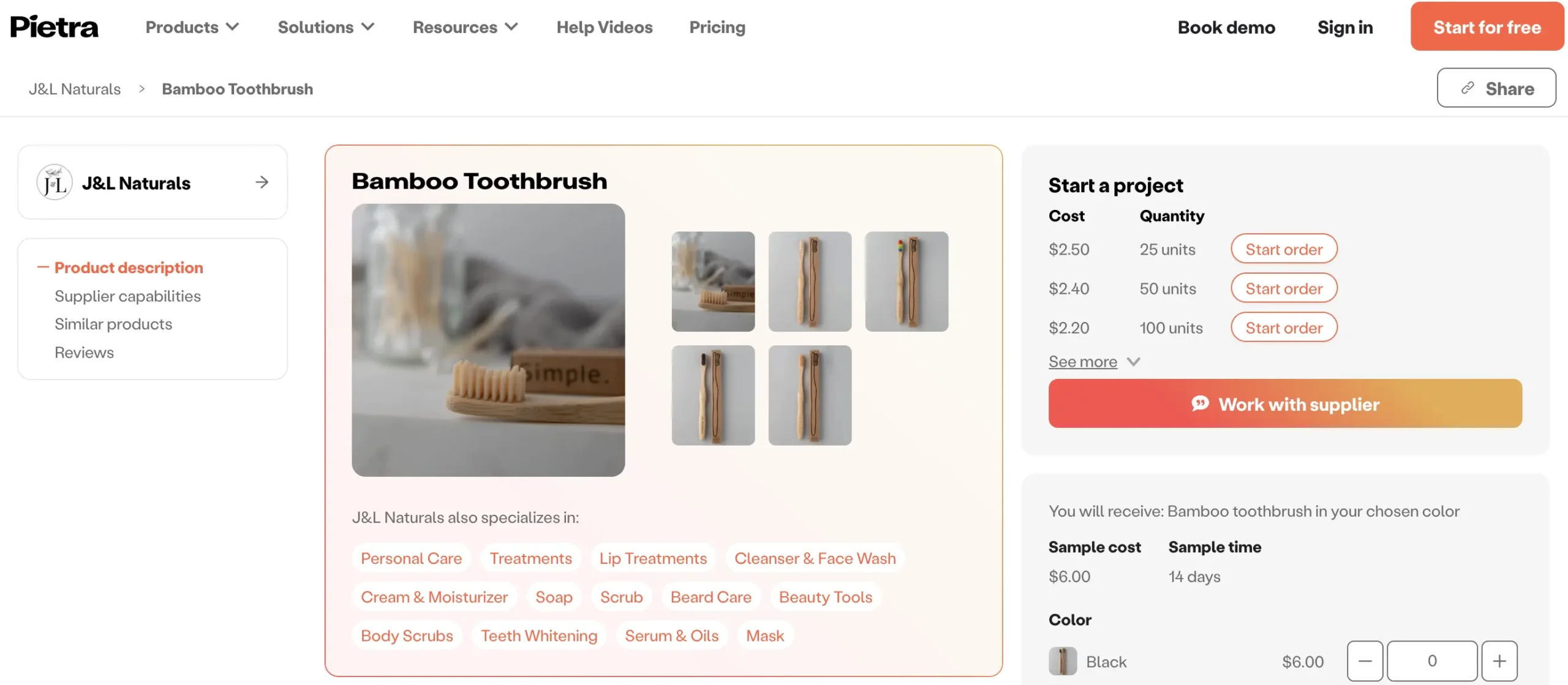
Bamboo toothbrushes, reusable food wraps, and natural cleaning products appeal to shoppers who actively look for sustainable alternatives. In this category, the sustainability angle itself becomes your brand positioning.
That also means you need to be specific and honest about environmental benefits. Claims like “biodegradable” or “plastic-free” should be backed by your supplier’s documentation, because vague green claims can damage customer trust quickly.
10. Digital Products
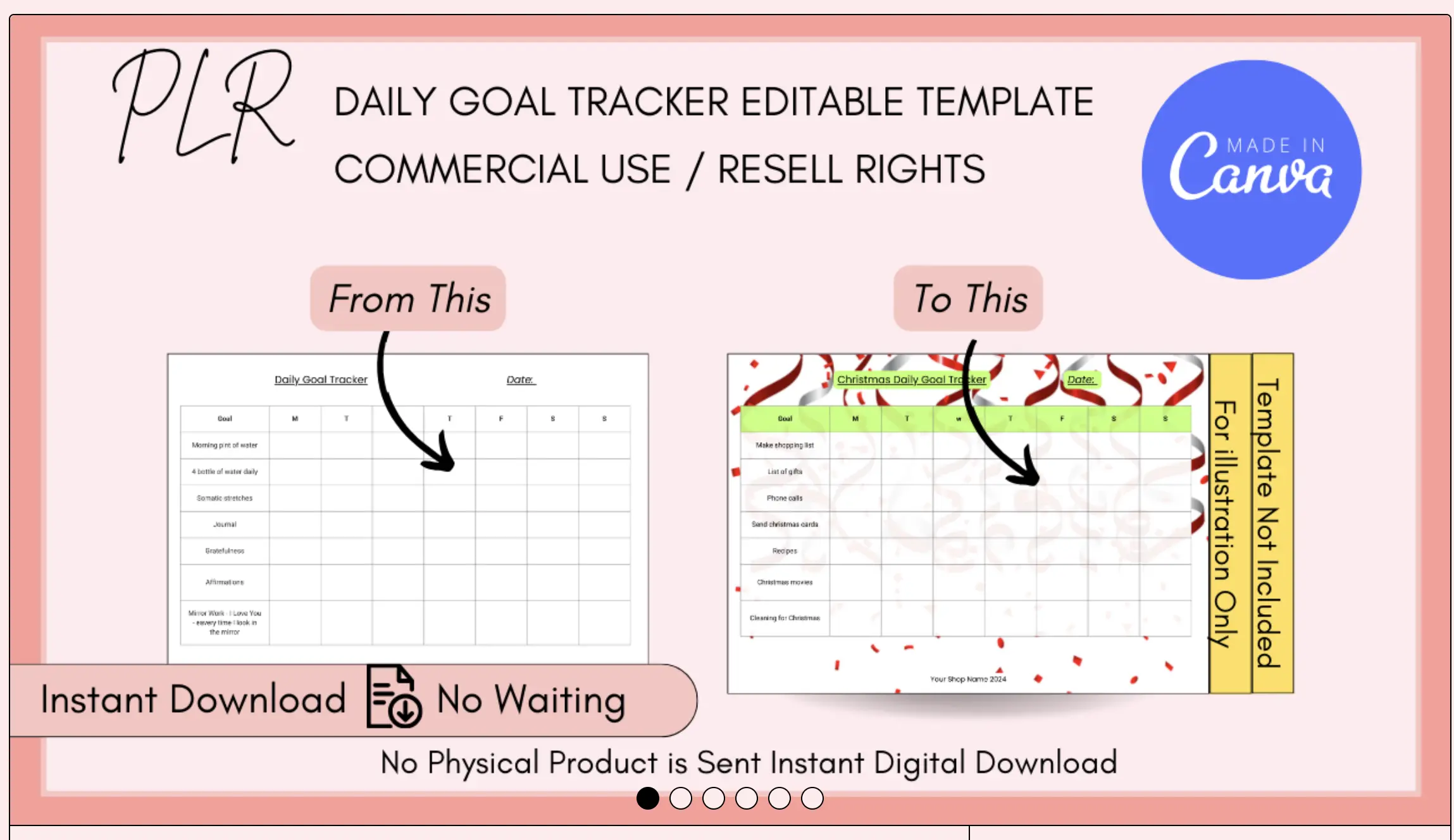
White-label digital products like planners, templates, courses, and design assets come with no inventory, no shipping, and strong margins once you’ve paid for the license. The challenge is that the same content may be available to many other resellers, so customize it rather than selling it as-is.
Adding your own branding, examples, or bonus material makes the product feel original. Always read the license terms carefully to confirm what you’re allowed to modify and resell.
What Is An Example Of A White Label Product?
A plain stainless steel water bottle is a simple example. One manufacturer produces the bottle and sells it to several brands. Each brand adds its own logo, colors, and packaging, then sells it under its own name. Supermarket store brands work the same way, with products like cereals or paper towels often made by manufacturers that supply multiple retailers.
Is White Labeling Legal?
Yes, white labeling is a legal and widely used business model. Manufacturers openly produce goods for other companies to rebrand and sell. That said, you’re still responsible for following the rules in your market. That includes accurate product labeling, honest marketing claims, and making sure your branding and packaging don’t infringe on anyone else’s trademarks.
What Is The Difference Between White Label And Private Label?
White label products are generic items that a manufacturer sells to many businesses, so multiple brands may sell the same product. Private label products are made exclusively for one brand, often to that brand’s own specifications. White labeling is faster and cheaper to start, while private labeling gives you more control and a product competitors can’t copy.
How Much Does It Cost To Start Selling White Label Products?
It depends on the sourcing route. Print-on-demand requires almost no upfront investment, since products are only made when a customer orders. Buying ready-to-label wholesale stock means paying for your first batch of inventory, plus labels and packaging. White label manufacturing usually involves larger minimum order quantities and higher initial costs. Budget for branding, your online store, and marketing as well, not just the product itself.
How Do I Find White Label Suppliers?
You can find white label suppliers through B2B sourcing platforms, wholesale marketplaces, print-on-demand providers, and manufacturer directories for your product category. Industry trade shows are another option. Before committing, order samples, ask for certifications and safety documentation, and confirm minimum order quantities and reorder lead times so a successful launch doesn’t leave you out of stock.
White labeling gives you a practical way to launch your own brand without developing or manufacturing products from scratch. Whether you start with skincare, coffee, apparel, fitness accessories, or digital products, there are plenty of opportunities to build a profitable online business.
The product itself, however, is only part of the equation. Since other sellers may have access to the same products, your branding, positioning, pricing, packaging, and customer experience are what ultimately set your business apart.
Start with a product that fits a clear audience, order samples before committing to larger quantities, and carefully evaluate your supplier’s quality, documentation, minimum order requirements, and lead times. With the right product and a strong brand around it, white labeling can effectively turn an existing product into a business of your own.


Subcribe to our newsletter