



Share:


Table of Contents
Explore the key consumer behavior trends driving business decisions in 2026!
Have you ever wondered how particular trends become popular and capture the interest of millions?
It’s easy to assume that trends appear suddenly and take over the market. In reality, they build momentum gradually, influenced by cultural shifts, evolving social values, and rapid technological advancements. What eventually becomes “trending” often starts as a subtle change that grows, pauses, and resurfaces with renewed energy.
In this article, we take a closer look at how these behavioral shifts impact the way businesses operate and break down the most influential consumer trends defining 2026.
Key Takeaways:
- Consumers in 2025 expect personalized, convenient, and immersive experiences across every channel.
- Trust, transparency, and ethical practices play a major role in shaping brand loyalty and purchase decisions.
- Businesses that adapt quickly to evolving behaviors, technological shifts, and cultural values gain a competitive edge in the market.
With changing consumer preferences, behavior, and interests, consumer behavior analysis is a must for businesses to meet market demands.
Consumer behavior analysis involves the study and interpretation of elements that influence people’s purchasing decisions. This can include environmental, psychological, and societal factors.

Studying cultural movements, technological advancements, economic conditions, and social values helps identify patterns and anticipate trends. This process is known as trend forecasting. It analyzes what has already happened to predict what’s coming, enabling businesses to stay ahead of the curve and capitalize on them.
In 2026, many of the existing trends seem set to gain even more momentum. There’s a lot of buzz around certain trends, which suggests they’re likely to continue trending. So, without further ado, let’s break down the top consumer behavior trends.
1. Businesses Are Embracing AI
In late 2022, the term AI surged in popularity, quickly becoming the undisputed top trend of 2023. Its momentum shows no signs of slowing down, which indicates that AI is the future.
Businesses now readily entrust AI to take charge of their daily activities, from AI-driven personal assistants to providing real-time assistance through chatbots.
For eCommerce store owners, AI’s relevance lies in its utility in delivering a better customer experience. Today, when over 70% of consumers expect brands to provide personalized experiences, stores can employ AI-powered solutions to tailor products and recommendations based on unique user preferences and behaviors.

For instance, Netflix utilizes artificial intelligence and machine learning to improve its suggestions. It considers users’ viewing habits and preferences to provide quality recommendations.
2. Social Media and eCommerce Intertwined
Social shopping has become the new norm. According to HubSpot, over 40% of consumers discover products on social media. It is gaining popularity across all generations, namely Gen Z, Millennials, and Gen X.

This upward trend can be attributed to various factors, starting with the prominence of influencer marketing, an industry that is expected to grow to a whopping $52 billion by 2028. Influencers leverage their authority to endorse products, aiding product discovery and shaping purchase decisions.
Another factor propelling social shopping is convenience and accessibility. Social media users can purchase products directly from brands without leaving the platform and even get real-time product assistance. This is made possible with the rise of shoppable videos, TikTok Shops, Instagram checkout, Live shopping, etc.
Besides, user-generated content, reviews, and recommendations floated across social media serve as social proof to new customers. This calls for brands to have an excellent online presence across all platforms, backed by a good website.
Related Articles: Introduction to Instagram Marketing for SMBs: Strategies, Tips, and More
3. Embracing Diversity and Inclusion

The last few years saw a significant shift in consumers’ perception of beauty. People are rejecting traditional notions of beauty and pushing for diversity and inclusivity in marketing campaigns and products. This reflects a broader cultural movement towards acceptance and celebrating individuality.
According to Gitnux, 64% of surveyed consumers took some form of action after seeing an ad they considered diverse or inclusive.
Furthermore, the trend extends beyond beauty to various industries, including clothing, food, and drug development.
Therefore, brands need to re-evaluate their marketing strategies and campaigns, as those that embrace diversity are gaining customers’ favor and will likely see sustained success.
4. The Power of Omnichannel Strategies

Imagine you saw an ad for a hoodie from your favorite store and decided to check it out on their app. However, you don’t purchase it because you are uncertain about the sizing. Later, you receive a notification from the app about a special discount on hoodies, and you decide to visit a real store and try it on before making this purchase.
This is known as omnichannel marketing. By being present everywhere, the strategy aims to create a customer-centric experience by integrating online and offline channels, ensuring that consumers can transition between them without much friction.
According to Google’s Omnichannel Shoppers, customers who can engage through multiple channels have a 30% higher lifetime value than others.
Brands must now consider implementing omnichannel fulfillment options, such as Buy Online and Pick Up In-store, Buy Now and Pick Up Later, Curbside Pickup, and Same-Day Delivery, while maintaining consistency across all touchpoints.
For WordPress stores, the WooCommerce Product Feed plugin is a valuable tool. It generates product feeds for popular sales channels like Google Shops, Facebook, Pinterest, and more.
5. Retail Reinvented
Today, shopping is no longer solely paying and acquiring items, but having a meaningful experience. 92% of individuals prioritize experiences over material possessions to achieve happiness and fulfillment.

Experiential shopping is when brands offer customers immersive and memorable experiences. Gamification, shoppable videos, LIVE shopping, AR, and personalized product recommendations are among the approaches businesses adopt to engage consumers.
6. Consumers Want Creativity
There has been a growing demand among customers for novelty and originality, seeking refreshing experiences. Innovative ad campaigns linger in the minds of consumers long after they encounter them, which results in brand recall.
A survey by the Advertising Research Foundation reveals that companies prioritizing creativity in their ads experience a 15% increase in brand awareness compared to those that do not.
This is a great example of how a creative approach in promoting products can leave a memorable impression. The ad not only promotes the importance of focusing on fitness and staying hydrated but captivates the audience’s attention and maintains it throughout.
Amid fierce competition and decreasing attention spans, creativity is a crucial differentiator for brands.
7. Sustainable Shopping Reigns Supreme
Sustainability is more than just a “Reduce, Reuse, Recycle” sticker on the package.
Consumers are increasingly aware of the dangers that the environment is subject to due to resource-intensive, waste-breeding trends like fast fashion. Case in point: the resurgence of thrift stores. Consumers are embracing second-hand shopping while brands are incorporating resale initiatives into their business models.
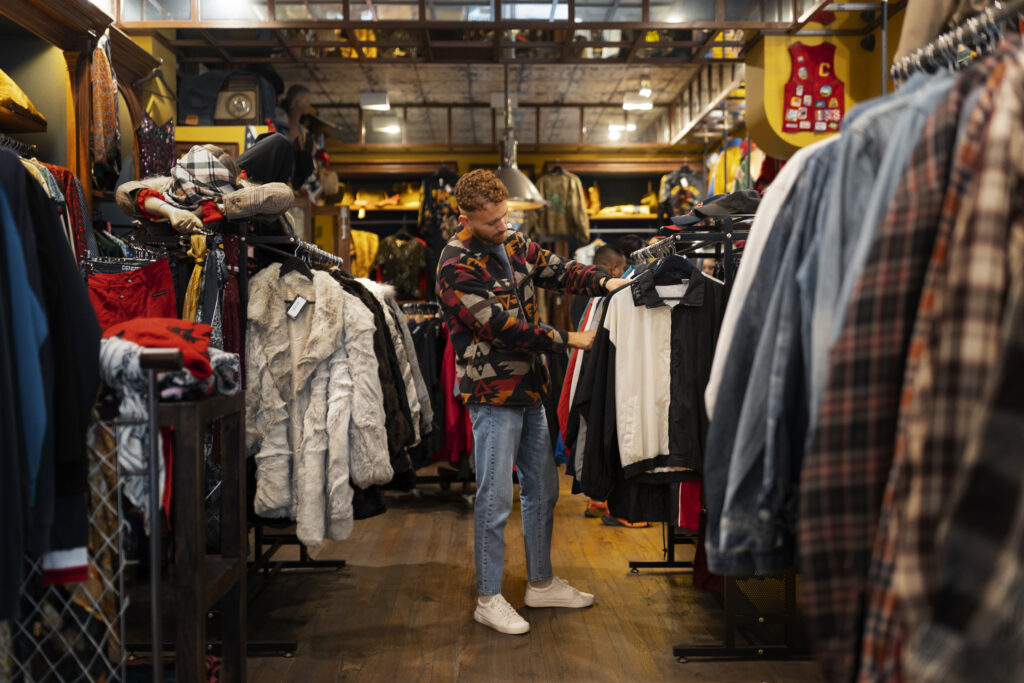
Customers are now seen exploring off-brands that offer comparable quality at affordable prices. Off-brands produce fewer products, resulting in reduced waste compared to mass-producing fast fashion counterparts.
Brands must be transparent about their dedication to sustainability, as customers expect them to disclose information about their practices and environmental impact.
8. Convenience Matters
Consumers are easily drawn to convenient shopping experiences that meet their needs.
However, achieving convenience does not mean compromising on quality. It’s about balancing convenience and quality to ensure customer satisfaction.
Simplifying the checkout process, offering multiple payment options like Buy Now, Pay Later, auto-entering customer details, social shopping, having a clear and transparent returns policy, etc., are a few key strategies brands apply to satisfy the modern consumer.
9. Rise of Hyper-Personalized Shopping

Consumers are no longer satisfied with broad segmentation. They expect brands to understand their individual preferences and anticipate their needs without being intrusive.
Hyper-personalization uses customer data, behavioral insights, and AI-driven models to deliver product recommendations, offers, and experiences tailored specifically to each user.
From dynamic website content to individually curated email flows and personalized loyalty programs, brands that invest in this level of customization are seeing higher engagement and retention.
10. The Shift Toward Privacy-First Expectations
Although consumers want personalized services, they’re becoming increasingly aware of how brands collect and use their data. This has created a growing demand for transparency, opting-in experiences, and privacy-first marketing.
Features like cookie consent banners, preference centers, and anonymized tracking signals show customers that their autonomy matters. Brands that adopt privacy-friendly practices are rewarded with deeper trust and long-term loyalty.
11. Subscription Fatigue and Value-Driven Loyalty
While subscription models continue to grow, consumers have become selective about recurring payments. This shift, known as subscription fatigue, is driving brands to focus more on value, flexibility, and transparency.
Pause options, tiered memberships, loyalty benefits, and usage-based billing structures are gaining appeal. Today’s consumers stay loyal not because of contracts but because the experience feels genuinely worthwhile.
12. Localism and Community-Focused Buying

Consumers are increasingly interested in supporting local businesses, community-driven brands, and independent creators. This trend stems from a desire for authenticity, ethical production, and closer brand–customer relationships.
Local sourcing, community partnerships, and transparent supply chains help brands differentiate themselves from mass-market competitors.
13. The Expectation of Instant Gratification

With same-day delivery, one-click purchases, and real-time support becoming mainstream, consumers have developed a near-zero tolerance for delays.
They expect rapid responses from customer service, instantly available stock, and frictionless fulfillment. Faster delivery, proactive communication, and automated support systems are now the standard, not a competitive advantage.
14. Gamified Purchasing Journeys
Gamification is gaining momentum as consumers respond positively to reward-driven, interactive experiences.
Spin-to-win popups, challenge-based loyalty programs, achievement badges, and milestone rewards turn shopping into an engaging activity. Brands see improved conversions and higher retention when customers feel the experience is fun and valuable.
15. The Rise of Social Proof and Community Influence
Trust plays a significant role in purchase decisions, and consumers rely heavily on reviews, real customer images, community discussions, and peer recommendations.
User-generated content, authentic testimonials, and transparent feedback systems provide the assurance shoppers need before making a purchase. Brands that encourage and highlight this content see stronger credibility and conversion rates.
Conclusion
Consumer behavior doesn’t shift overnight. It evolves gradually, influenced by cultural movements, technology, economic changes, and the values people hold. What may appear as an overnight trend is usually the result of years of subtle changes building momentum until they finally reach the mainstream.
In 2026, these shifts are accelerating faster than ever. From AI-driven experiences to privacy-first expectations, sustainability, hyper-personalization, and the demand for instant gratification, consumers are setting new standards for how brands should operate and connect with them. Businesses that pay attention to these trends and adapt early gain a clear competitive advantage.
Understanding your customers’ motivations, behaviors, and expectations is no longer optional. It’s the foundation of creating meaningful experiences, building trust, and staying relevant in a landscape that changes rapidly. Keep listening, keep analyzing, and keep evolving—because the brands that grow are the ones that continually meet consumers where they are headed.


Subcribe to our newsletter


