


Share:


Table of Contents
Product data enrichment is the process of enhancing product listings by adding comprehensive details such as descriptions, images, attributes, and SEO elements. This practice is crucial in eCommerce as it significantly improves product visibility, builds customer trust, and ultimately drives higher conversion rates, making it essential for WooCommerce sellers aiming to stand out in a competitive market.
- Product data enrichment involves adding detailed descriptions, high-quality visuals, attributes, and SEO keywords to product listings.
- Clear and enriched product information enhances customer confidence and leads to better shopping experiences.
- Well-structured product data helps improve visibility in search engine results and increases the likelihood of appearing in relevant searches.
- Enriched listings can reduce the rate of returns and customer complaints by setting clear expectations.
- Utilizing plugins and automation tools can streamline the enrichment process, making it more efficient for sellers with large inventories.
- A focus on product data enrichment can lead to higher conversion rates and a stronger competitive edge in the eCommerce landscape.
When you think about selling products online, what’s the first thing that comes to mind? Great photos? Competitive prices? Smooth checkout? All of those matter—but there’s something else that quietly plays a big role in how well your store performs: product data enrichment.
In simple terms, product data enrichment is about making your product listings more complete, informative, and appealing. That means going beyond just a product name and price. You’re adding rich descriptions, high-quality images, relevant tags, attributes like size and color, and even SEO keywords that help customers find your product more easily.
Why is this important? Because your product page is often your first and only chance to make an impression, whether you’re selling on Shopify, Amazon, Magento, or WooCommerce. Clear, detailed, well-organized product information builds trust, helps customers make confident decisions, and ultimately leads to more sales.
In this article, we’ll break down what product data enrichment involves, why it matters across ecommerce channels, and how to actually do it — including tools and examples for WooCommerce sellers specifically.
At its heart, product data enrichment is all about giving your product listings a serious upgrade. Instead of just the bare basics like a name and price, you add all the details that help customers truly understand what they’re buying.
Think of it like dressing up your product page—not just to make it look good, but to make it more useful, more searchable, and way more convincing.
So instead of a plain listing that says “Blue T-Shirt – $20,” you add things like a detailed description, size options, material info, a bunch of great photos, maybe even a video of someone wearing it. You also throw in some keywords so it shows up in search results, and organize it with proper categories and tags.
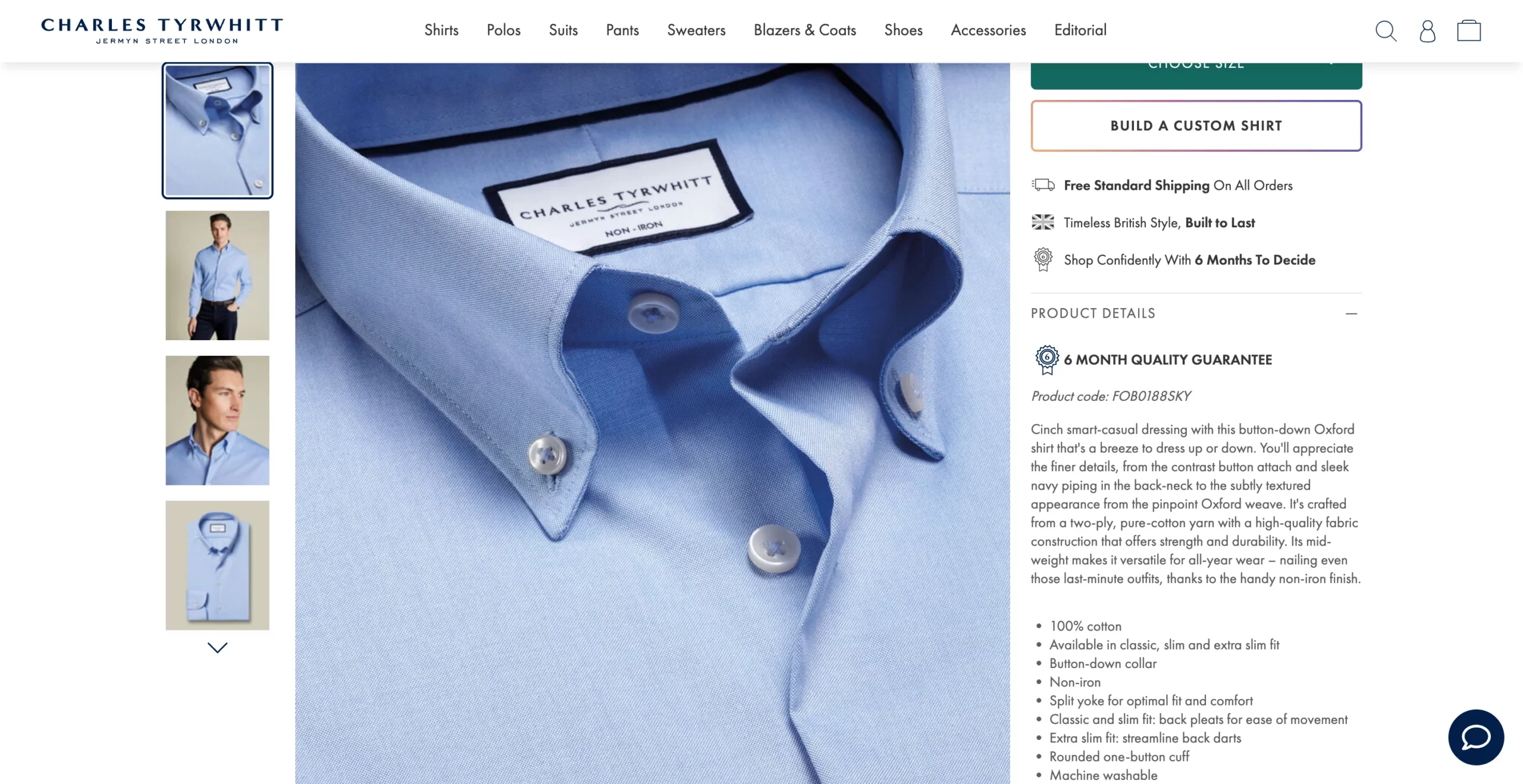
Why go through all this effort? Because when your product listings are rich with information, customers feel more confident, your store looks more professional, and your chances of making a sale go way up. It’s not just about looking nice; it’s about creating a better shopping experience and helping your products stand out.
Basic Product Data vs. Enriched Product Data
Let’s start with a quick comparison.
Basic product data might include:
- Product Name: Blue T-Shirt
- Price: $20
- SKU: TSH-001
While that’s enough to list a product technically, it lacks the detail needed to attract or convert buyers.
Enriched product data goes much further:
- Product Name: Men’s Cotton Blue Crew Neck T-Shirt
- Detailed Description: Made from 100% breathable cotton, this slim-fit crew neck tee offers all-day comfort, ideal for casual wear or layering.
- Images: Multiple angles, zoomed-in fabric texture, model wearing the shirt
- Attributes: Size (S, M, L, XL), Color (Navy Blue), Fabric Type (Cotton), Fit (Slim)
- Categories: Clothing > Men > T-Shirts
- Tags: casual wear, summer, breathable
- SEO Title & Meta Description: For better visibility in Google search
- Videos: A short clip showing how the T-shirt fits in motion
With enriched data, the customer knows exactly what they’re getting, and search engines know how to index your product correctly.
Types of Product Data Enrichment
Product data enrichment can take different forms depending on what information a product listing is missing. It generally falls into three categories:
1. Technical Enrichment
Technical enrichment adds the specifications and attributes that clearly define the product. This may include dimensions, weight, materials, compatibility details, SKUs, GTINs, and other technical identifiers. Shoppers use this information to compare and filter products, while marketplaces often require it for accurate listing approval and categorization.
2. Marketing Enrichment
Marketing enrichment makes a product listing more persuasive and easier to discover. It includes benefit-focused descriptions, lifestyle copy, SEO titles, meta descriptions, keywords, and tags. This is what turns a basic title like “Bluetooth Headphones – Black” into a compelling listing that communicates value and encourages purchases.
3. Visual Enrichment
Visual enrichment helps shoppers understand and experience a product before buying it. It includes product images, videos, 360-degree views, and infographics. Since online shoppers cannot physically examine a product, strong visuals play a major role in building confidence and improving conversions.
Even a high-quality, well-priced product can go unnoticed if its listing is incomplete or poorly presented. Product data enrichment improves how products are discovered, understood, and evaluated across search engines, marketplaces, and online stores.
1. Improves Search Visibility
Search engines and marketplace platforms rely on product titles, categories, keywords, attributes, and metadata to understand and rank listings. Enriching a basic title such as “leather laptop bag” with details like “men’s work bag,” “fits a 15-inch laptop,” and “genuine leather” helps the product appear for more relevant searches.
2. Creates a Better Shopping Experience
Detailed descriptions, accurate specifications, sizing information, high-quality images, videos, and reviews give shoppers the confidence to make a purchase. Without this information, customers may leave the page because they cannot properly assess the product.
3. Helps Products Stand Out
When similar products are available at comparable prices, the quality of the listing can influence the final decision. A complete, professional, and informative product page builds trust and gives your brand an advantage over competitors.
4. Reduces Returns and Complaints
Incomplete or unclear product information can create false expectations. Accurate dimensions, materials, compatibility details, and images help customers understand exactly what they are buying, reducing returns and support requests.
5. Increases Conversions
Better visibility, clearer information, and stronger customer confidence ultimately lead to more sales. Although product data enrichment may seem like a backend task, it directly improves the customer experience and overall store performance.
When we talk about enriching your product data, we’re not just talking about fluff. Each element plays a specific role in making your product more visible, more appealing, and more likely to sell.
Let’s break it down:
Descriptions
This is where you tell the story of your product. A good product description isn’t just a list of features; it’s a mini sales pitch.
Basic: “Bluetooth Headphones – Black”
Enriched: “Experience rich, immersive sound with our wireless Bluetooth headphones. Designed with noise-canceling tech and up to 20 hours of battery life, these headphones are perfect for travel, workouts, or relaxing at home.”

See the difference? It highlights benefits and adds keywords that help with search.
Images & Videos
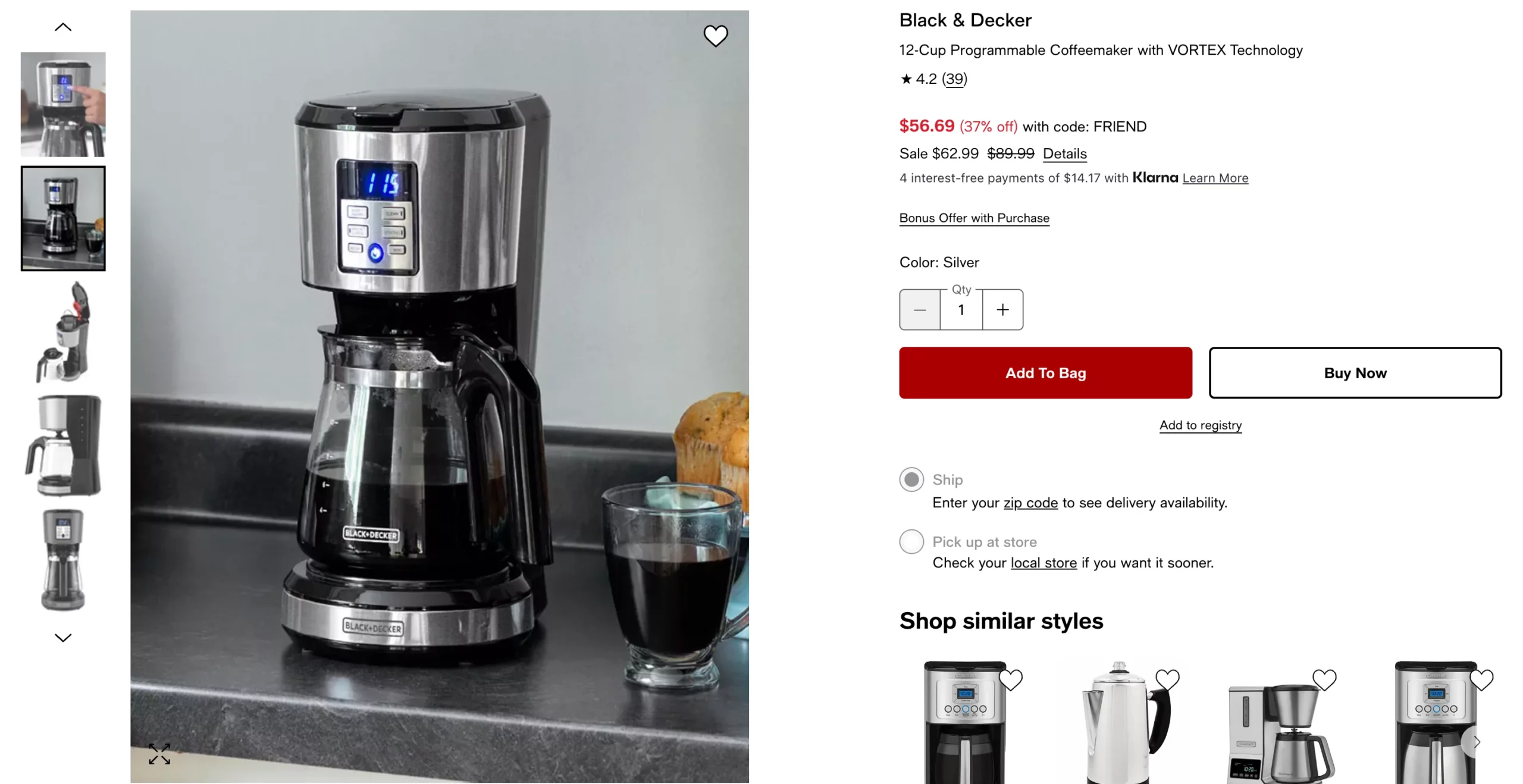
Shoppers can’t touch or try your product online—images do that job for them. Add multiple photos showing different angles, close-ups, and lifestyle shots. Videos showing the product in action are even better!
Example: Selling a coffee maker? Show it on a kitchen counter, include a video of someone using it, and zoom in on the control panel.
Attributes & Specifications
These are the small but mighty details that help shoppers find what they’re looking for—and ensure they get the right product.
Example:
For a backpack:
- Size: 25L
- Material: Water-resistant nylon
- Dimensions: 18” x 12” x 6”
- Laptop Sleeve: Yes, fits up to 15”

This is also what powers product filters on your site (like “Color: Black” or “Material: Leather”).
Categories & Tags
These help organize your store and improve product discoverability. Think of them like shelves in a store and sticky notes to guide your shoppers.
Example:
- Category: Electronics > Audio > Headphones
- Tags: wireless, noise-canceling, over-ear, travel-friendly

SEO Metadata
This is what helps your product appear in Google searches. An excellent SEO title and meta description make your product easier to find and more clickable.
Example:
- SEO Title: Wireless Bluetooth Headphones with Noise Cancellation – 20-Hour Battery
- Meta Description: Shop top-rated wireless headphones with crystal-clear sound, active noise cancellation, and long battery life. Free shipping available!
Reviews & Ratings
Nothing beats word of mouth—even in digital form. Reviews and ratings build trust and help shoppers feel confident about their purchase.
Example:
“⭐⭐⭐⭐⭐ – Amazing sound quality! Blocks out noise perfectly during flights. Battery easily lasts all day.”

Language Localization
If you’re selling internationally, you want your product details in your customers’ language. It’s a simple but powerful way to reach more people and improve conversions.
Example:
Your product page is available in English, Spanish, and French, with prices shown in local currencies. That’s a win for global shoppers!
Each of these elements might seem small on their own, but together, they create a rich, informative, and high-converting product page. Think of product data enrichment as giving your products the best possible chance to shine online!
How to Enrich Your Product Data: A Step-by-Step Approach
Now that you know what enriched data includes, here’s how to actually get there
1. Audit Your Current Product Listings
Start by reviewing your existing product pages to identify missing or incomplete information. Look for thin descriptions, absent specifications, inconsistent attributes, low-quality images, or listings that rely on only one product photo.
Prioritize best-selling products, high-traffic pages, and items that are underperforming compared with similar products. Improving these listings first can deliver faster results.
2. Standardize Product Attributes
Create a consistent set of required attributes for each product category. For example, clothing products may need size, color, material, fit, and care instructions, while electronics may require dimensions, compatibility, battery life, and technical specifications.
Standardization makes product information easier to manage and ensures customers can compare similar items without encountering gaps or inconsistencies.
3. Write for Shoppers and Search Engines
Product copy should clearly explain why the product is useful while also including the details customers need. Lead with the main benefit, support it with relevant specifications, and naturally include the terms shoppers use when searching.
Avoid forcing keywords into the copy. The content should remain clear, useful, and easy to read while helping search engines understand the product.
4. Add More Visual Detail
Use multiple images to show the product from different angles. Include close-up shots of important features, materials, textures, controls, or packaging.
Lifestyle images can help shoppers understand how the product looks or works in a real-world setting. Where possible, add a short video or 360-degree view to provide an even clearer product experience.
5. Complete the SEO Metadata
Create a unique SEO title and meta description for each important product page. These elements help search engines understand the page and can make the listing more appealing in search results.
Avoid using the same metadata across multiple products. Each title and description should reflect the product’s specific features, benefits, and intended audience.
6. Add Social Proof
Display customer ratings and reviews prominently on the product page. Reviews help answer practical questions, validate product claims, and reduce uncertainty for new shoppers.
Photos, videos, and detailed feedback from verified buyers can make social proof even more convincing.
7. Keep Product Information Updated
Product data enrichment is not a one-time task. Specifications, pricing, compatibility details, availability, and supplier information can change over time.
Set a regular review schedule, such as quarterly checks, and update listings whenever suppliers release new information or products are modified.
8. Scale Enrichment With the Right Tools
Manual editing may work for a small catalog, but it becomes difficult as the number of products grows. Bulk editors, import-export tools, product feed solutions, and AI content generators can help update large catalogs more efficiently.
These tools reduce repetitive work, improve consistency, and make it easier to enrich product data across multiple products and sales channels.

Enriching your product data brings a ton of value, but it’s not always smooth sailing — especially for sellers managing large catalogs on their own or with small teams.
Let’s look at some of the common roadblocks you might face:
1. Manual Effort & Time-Consuming Process
WooCommerce gives you a lot of flexibility, but with that comes responsibility. Enriching product data often means going into each product page and adding or updating:
- Long-form descriptions
- Product attributes (like color, size, material)
- SEO titles and meta descriptions
- Images, videos, and alt text
- Tags and categories
Doing this manually for even 20–30 products can eat up hours of your time. For stores with hundreds or thousands of products? It becomes a full-time job.
Example: Updating your t-shirt collection to include new fabric types and a sizing guide means editing each variant one by one—not exactly a quick fix.
2. Managing Large Product Catalogs
As your store grows, so does the complexity of your catalog. More SKUs, more variations, more attributes to track and update. Without a proper system in place, it’s easy to lose track of what’s been enriched and what hasn’t.
Challenges include:
- Keeping attributes consistent across similar products
- Ensuring all categories are correctly applied
- Managing media files and keeping them organized
- Syncing product data across multiple sales channels
Example: You might have a “Black Hoodie” listed under both Men > Hoodies and Winter Wear > Sweatshirts—causing confusion or duplication unless your categories are structured and maintained properly.
3. Keeping Product Data Accurate & Updated
Enrichment isn’t a one-time task. Prices change, product specs evolve, and seasonal trends shift. Ensuring your data stays current requires ongoing attention.
- Old images need replacing.
- Outdated specs need correcting.
- Keywords should be reviewed to stay SEO-relevant
- Product availability (in stock/out of stock) must be reflected accurately.
Example: Let’s say a supplier updates the material of a best-selling bag from faux leather to vegan leather. If your product page doesn’t reflect this change, you risk misleading customers and possibly getting negative reviews or returns.
Why These Challenges Matter
If left unaddressed, these issues can lead to:
- Slower store performance due to bloated or disorganized content
- Poor customer experience and lost trust
- Lower rankings on search engines or rejections from product feeds
- Missed sales due to confusion or lack of clarity
That’s why many WooCommerce sellers turn to automation tools, bulk editors, or third-party plugins to make enrichment faster and more scalable. These issues aren’t unique to enrichment either — they’re part of a broader set of product data management challenges that most growing WooCommerce stores eventually face. The next step? Exploring how to simplify this process, without sacrificing quality.
We’ve established that enriching product data is crucial, but also time-consuming and complex, especially as your store grows. The good news? WooCommerce has a robust ecosystem of plugins and tools that can take a lot of that manual effort off your plate.
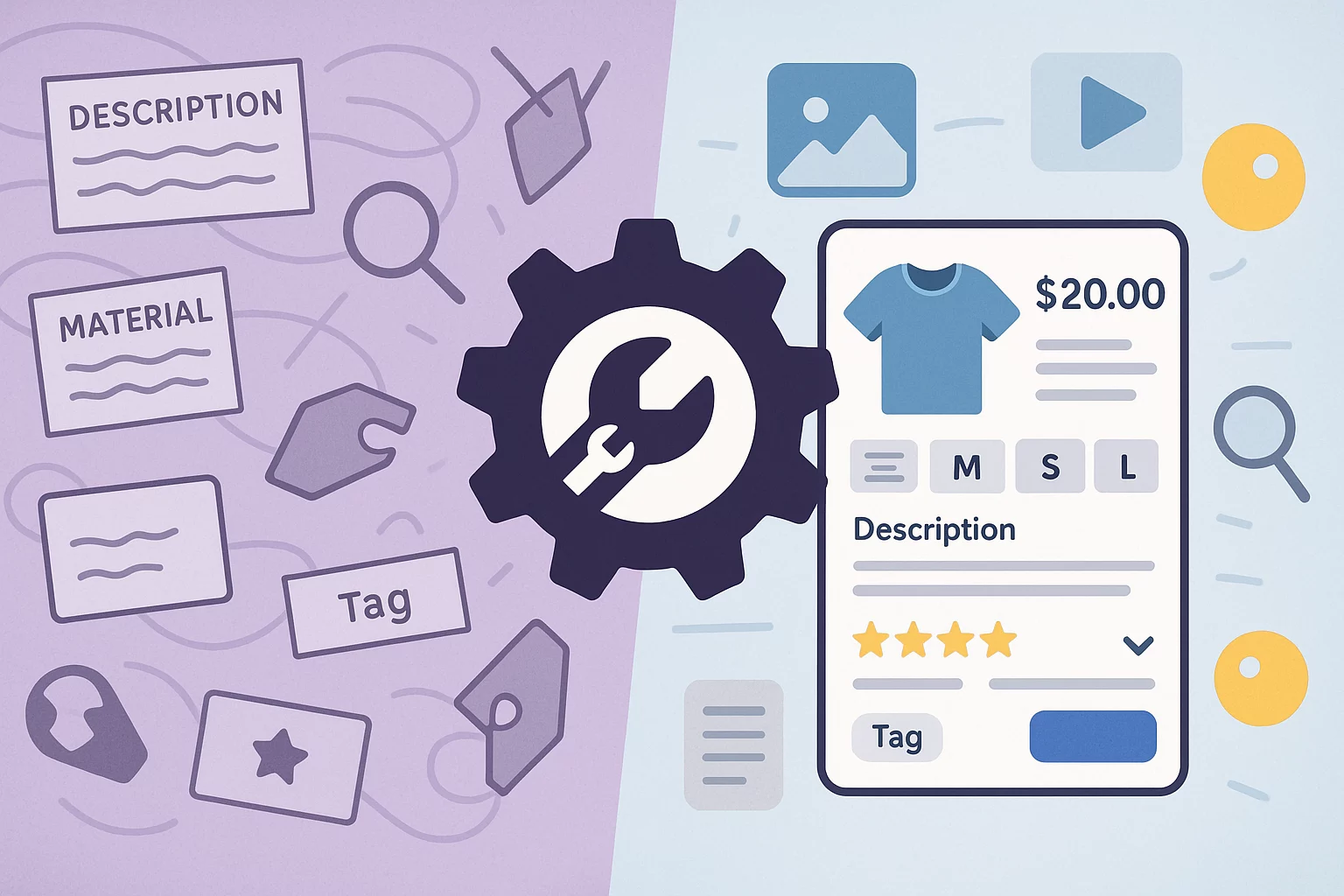
With the right setup, you can automate, streamline, and scale your product data enrichment with ease.
Top Plugin Categories That Help with Data Enrichment
Let’s look at some plugin types that can make your life easier:
1. Bulk Product Editors
These plugins are lifesavers when you need to manage or enrich product data across multiple listings. Instead of editing each product manually, bulk editors let you update fields like pricing, categories, attributes, SEO metadata, and descriptions—all in just a few clicks.
Top Picks:
- WebToffee Product Import Export for WooCommerce – A powerful tool to import, export, and update product data in bulk via CSV, making it ideal for data enrichment. You can map product fields, schedule imports/exports, and even include custom metadata and variations. Great for syncing data across systems or updating large catalogs quickly.
- WP All Import – Flexible and user-friendly, this plugin is ideal for bulk importing enriched data from CSV or XML files. You can drag and drop fields, apply conditional logic, and manage complex product types, such as variations and grouped products.
2. Product Feed Generators
These plugins not only format your product data for platforms like Google Shopping, Pinterest, Facebook, etc., but also often guide you to fill in missing or required fields, enriching your listings in the process.
Top picks:
- WebToffee Product Feed for WooCommerce – Offers custom attribute mapping, category suggestions, WooCommerce product feed generation, and optimization for multiple channels.
- CTX Feed – Supports over 100+ merchant templates and dynamic attribute settings.
3. SEO & Metadata Enhancers
Optimizing SEO titles, meta descriptions, and image alt texts is a key part of enrichment, and automation can really help here.
Top picks:
- Yoast SEO for WooCommerce – Automatically generates SEO-friendly metadata and offers content suggestions.
- Rank Math – Lightweight, intuitive SEO plugin with WooCommerce integration and rich snippet support.
4. AI-Powered Content Generators
Some plugins and external tools now use AI to write product descriptions, generate keywords, and even categorize products based on content.
Examples:
- Jasper AI or Copy.ai – Can help generate keyword-rich product copy in bulk.
- ChatGPT API integrations – Some stores use custom tools to enrich product listings with AI-generated content and descriptions.
Did You Know? With the right WooCommerce plugins, automation can handle product categorization, suggest missing details, fill in SEO metadata, bulk update fields, and even sync with your inventory.
Product data enrichment is the process of improving basic product information, such as the product name, price, and SKU, by adding detailed descriptions, specifications, attributes, images, videos, categories, and SEO metadata. The goal is to make product listings more accurate, informative, searchable, and appealing to shoppers.
Examples include detailed product descriptions, dimensions, materials, colors, sizes, compatibility details, multiple product images, videos, categories, tags, SEO titles, meta descriptions, customer ratings, and reviews.
Common tools include bulk product editors, product import and export plugins, product feed generators, SEO plugins, product information management systems, and AI content generators. These tools help businesses update product data more quickly and maintain consistency across large catalogs.
Yes. Accurate details about product size, materials, compatibility, features, and appearance help customers understand what they are purchasing. This reduces the risk of mismatched expectations and unnecessary returns.
Product data should be reviewed regularly and whenever specifications, prices, availability, images, or supplier information change. A quarterly review can help ensure listings remain accurate and up to date.
Yes. AI tools can generate or improve product descriptions, SEO titles, meta descriptions, keywords, tags, and attribute suggestions. However, AI-generated content should be reviewed to ensure it is accurate, relevant, and consistent with the actual product.
Wrapping Up
For WooCommerce sellers, enriched product data is no longer optional—it’s essential. From better visibility in search results to higher conversion rates and fewer returns, the benefits of enriched product listings are too valuable to ignore. And the best part? You don’t have to do it all manually. With powerful plugins and automation tools available, even small stores can take big steps toward smarter, more efficient data management.
So if you haven’t started already, now’s the perfect time. Take a closer look at your product data, identify areas to improve, and let the tools do the heavy lifting. The more enriched your listings, the stronger your WooCommerce store will stand in a competitive market.


Subcribe to our newsletter


