Share:


Table of Contents
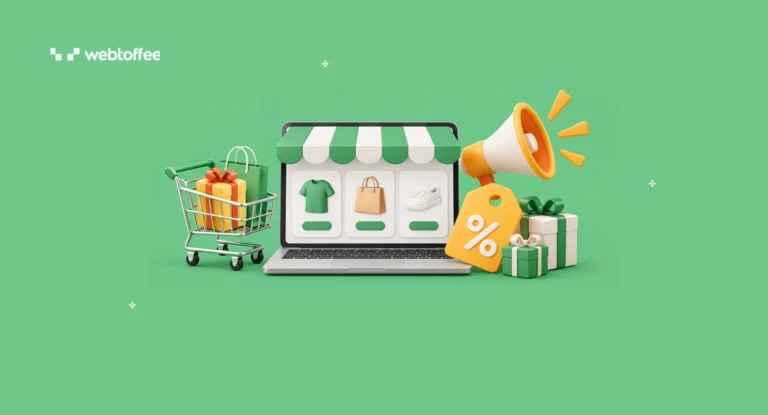
Sales promotions are strategic, time-limited offers designed to incentivize consumers to make purchases immediately rather than delaying. They are crucial for online stores, especially during peak shopping seasons, as they can effectively drive sales, increase average order values, and convert first-time visitors into loyal customers without significantly eroding profit margins.
- Sales promotions can take various forms, including discounts, free shipping, and exclusive gifts, each tailored to specific marketing goals.
- Promotions should be strategically aligned with business objectives, such as attracting new customers, increasing cart size, or clearing out inventory.
- Effective promotions often create a sense of urgency or exclusivity, encouraging customers to act quickly to take advantage of the offer.
- Utilizing customer data, such as purchase history and demographics, can enhance the effectiveness of promotions by targeting the right audience with relevant offers.
- Implementing promotions through platforms like WooCommerce allows for easy management and tracking of their performance, ensuring that businesses can optimize their strategies over time.
- Balancing promotional offers with profit margins is essential; careful planning can prevent excessive discounting that undermines long-term profitability.
The holiday season is around the corner, and you’re probably already lining up sales promotion ideas for Black Friday, Cyber Monday, and the weeks that follow. Every store will be running offers, so yours need to stand out without eating into your profits.
That’s where most promotions go wrong. A store runs 30% off sitewide because everyone else is doing it. Orders spike, but a good share of those buyers would have paid full price, and the rest vanish once the sale ends.
The fix isn’t more ideas. It’s picking promotions that match what your store needs from the season, whether that’s new customers, bigger carts, or clearing stock before January.
In this article, you’ll find 25 sales promotion ideas grouped by the goal they serve, from winning the first order to bringing buyers back. Each one covers when it works, where it leaks margin, and how to set it up in WooCommerce.
A sales promotion is a short-term offer that gives shoppers an extra reason to buy now instead of later. That extra reason can be a lower price, a free product, free shipping, bonus store credit, or exclusive access. The defining feature is the time limit: the offer has a start date, an end date, and a specific goal behind it.
That last part matters. A sales promotion isn’t the same as a permanent price cut, and it isn’t general marketing like running ads or posting on social media. Ads bring people to your store. A promotion is what nudges them to buy once they’re there.
The most common types of sales promotion fall into a few groups: price discounts, free shipping, bundles and multi-buy deals, free gifts, loyalty and referral rewards, and contests. The ideas below draw on all of them.
The ideas below are grouped by what they help you achieve. Start with the goal that matters most to your store right now and pick one or two promotions from that group, rather than trying to run everything at once.
Promotions That Win the First Order
A first-time visitor doesn’t trust you yet. They don’t know your product quality, your shipping times, or whether your returns are a hassle. These promotions lower that risk just enough to get the first purchase, which is the hardest one to earn.
1. Welcome or Sign-Up Offer
A welcome offer is the familiar “join our list and get 10% off” deal, usually shown in a popup or a banner. It works because a visitor who shares their email is already interested and often needs only a small push to place that first order. It works best for stores that get decent traffic but struggle to turn first-time visitors into buyers.
The catch is that plenty of shoppers now sign up just for the code, use it once, and unsubscribe. Keeping the discount modest (5 to 10%) or offering a free gift instead helps protect your margin. A skincare store, for example, could include a free travel-size cleanser with the first order. The gift costs less than a 15% discount and still feels generous.
To set it up, create a coupon limited to one use per customer and set it to expire within 7 to 14 days. With Smart Coupons for WooCommerce, you can create sign-up coupons and restrict them to the customer’s email, so the code can’t be shared around.
2. First-Order Free Shipping
Unexpected shipping costs are one of the most common reasons shoppers abandon checkout. Offering free shipping on the first order removes that last-minute surprise for someone who’s already on the fence. It’s especially effective for low to mid-priced products, where the shipping fee can feel large compared to the cart total.
The risk is giving away free shipping on tiny orders that barely cover your costs. Adding a minimum spend just above your typical first order solves this. A tea shop with an average first order of $28 could offer free shipping over $35, and many new buyers would add one more tin to qualify.
WooCommerce coupons include a built-in free shipping option. Pair it with a minimum spend and a once-per-customer limit, and make sure your shipping zone has a free shipping method that requires a valid coupon.
3. Tripwire Product
A tripwire is a small, low-priced product meant to turn a browser into a paying customer. The profit on the item itself matters less than getting that first transaction done. Once someone has bought from you and had a good experience, the next purchase is much easier to win.
This approach suits stores with higher-priced core products, where asking a stranger to spend $150 straight away is a big ask. A coffee equipment store, for instance, could sell a $9 sampler of three roasts. Customers who enjoy the coffee are far more likely to come back for a grinder or brewer.
Price the tripwire to break even rather than to lose money, and plan how you’ll follow up. Feature it on landing pages and in your welcome email, and use product recommendations on its page and in the cart to point buyers toward related full-size products.
4. Free Samples With the First Order
Free samples let new customers try a product before committing to the full size. They work especially well in categories where taste, texture, or scent drives the decision, such as beauty, food, supplements, and candles. A sample takes away the fear of spending money on something that might not suit them.
Samples aren’t free to make and pack, so tie them to a minimum order value rather than adding them to every purchase. A candle store might add two wax melt samples to first orders over $40. Customers discover new scents, and the store learns which samples lead to full-size reorders.
Smart Coupons for WooCommerce supports giveaway products, so you can automatically add a free sample to the cart once the order meets your conditions.
5. Lifestyle Discounts
Lifestyle discounts are special prices for specific groups, such as students, teachers, healthcare workers, or military members. They help you win customers who fit your audience and appreciate being recognized. They work best when your products naturally match a group, like stationery for teachers or laptop accessories for students.
A scrubs and nursing shoes store, for example, could offer 12% off to verified healthcare workers. That gives those shoppers a clear reason to choose it over a general apparel store. Without verification, though, these codes end up on coupon sites within days.
To keep the discount in the right hands, verify eligibility through a third-party service or a manual ID check first. Then assign verified customers a custom user role and restrict the coupon to that role.
6. Giveaways and Contests That Collect Emails
A giveaway gives people an easy way to engage with your brand before they’ve bought anything. The prize gets attention, but the real value is the email list you build along the way. It works well for new stores, product launches, and the weeks leading up to a big sale like Black Friday.
Because the prize cost is fixed, giveaways are one of the cheaper promotions to run. The bigger risk is attracting freebie hunters who never buy. Choose a prize that only your target customers would want. A pet supply store giving away a month of premium dog food will attract dog owners, not people chasing a generic gift card.
Collect entries through a form or your email tool. Afterward, send everyone who didn’t win a consolation coupon restricted to their email address, which turns entrants into first-time buyers. Check your local contest rules before launching, since giveaway laws vary by country.
Promotions That Grow Cart Size
Getting more value from shoppers who are already buying is usually cheaper than finding new ones. These promotions give customers a reason to add one more item before they check out, which raises your average order value without needing extra traffic.
7. Spend-More-Save-More Tiers
A tiered discount rewards customers for spending more: for example, 10% off orders over $75, 15% off over $120, and 20% off over $200. The tiers turn the shopping decision into a simple trade. Customers can either check out now or add a little more to reach the next level of savings. This is one of the most dependable ways to push up cart size during busy periods like Black Friday.
The tiers have to be set carefully. If the first tier sits below what most customers already spend, you’re simply discounting orders that would have happened anyway. Look at your current average order value and place the first tier slightly above it. A home decor store with a typical order of $60 might start its first tier at $75, close enough that adding a cushion or candle feels worth it.
Show the next tier clearly in the cart, with a message like “Add $14 more to save 15%.” Without that nudge, most shoppers won’t notice how close they are. In WooCommerce, you can create a separate coupon for each tier with its own minimum spend and set them to apply automatically.
8. Free Shipping Threshold
A free shipping threshold offers free delivery to every customer, not just first-timers, once their cart passes a set amount. It’s one of the most widely used promotions in eCommerce because shoppers see it as a perk rather than a discount. Many will happily add a $10 item to avoid paying $8 in shipping.
The threshold works best when it sits about 15 to 30% above your average order value. If it’s too low, you pay for shipping on orders that would have come in anyway. If it’s too high, nobody bothers trying to reach it. It’s worth checking your shipping costs by zone too. A threshold that makes sense locally might lose money on international orders.
A progress message in the cart, such as “You’re $9 away from free shipping,” makes a noticeable difference. WooCommerce’s free shipping method lets you set a minimum order amount for each shipping zone, so you can use different thresholds for different regions.
9. BOGO and Buy X Get Y
Buy one, get one offers give customers a free or discounted item when they buy another. The classic version is “buy one, get one free,” but variations like “buy two, get one 50% off” or “buy a camera, get a memory card free” are often better for your margin. BOGO is popular for a reason. In WebToffee’s survey of over 1,000 store owners, BOGO and cross-sell setups made up 34% of the coupon strategies they were building.
This promotion works best for products people use up and buy again, like beauty items, supplements, snacks, and household goods. It’s also useful for moving slower products by pairing them with bestsellers. Be careful with high-cost items, though. A straight “buy one, get one free” on a product with a 40% margin means you’re selling two at a loss. “Get 50% off the second” is usually the safer option.
Smart Coupons for WooCommerce supports BOGO and buy X get Y rules. You can choose which products qualify, which product is free or discounted, and how many times the offer applies per order. For more BOGO variations, see our guide to discount ideas for WooCommerce.
10. Product Bundles
A bundle groups complementary products together and sells them as a set, often at a small discount compared to buying each one separately. Think “Winter Skincare Kit” or “Home Barista Starter Pack.” Bundles make shopping easier for customers who aren’t sure what goes together, and they move more units per order.
The big advantage over a straight discount is that your hero product keeps its full price. The perceived value comes from the combination, not a price cut. A bundle is also a good way to introduce customers to products they wouldn’t have found on their own. You can pair a bestseller with a newer or slower-selling item.
The bundle discount doesn’t need to be large. Even 5 to 10% off the combined price is usually enough, as long as the set clearly makes sense together. Create the bundle as its own product in WooCommerce, or use a bundling plugin, and promote it on the product pages of each item it includes.
11. Free Gift With a Qualifying Order
A free gift with purchase adds a bonus item once the order reaches a set value or includes certain products. For example, a free tote bag on orders over $80 or a free sample with any serum. Customers often value a physical gift more than a discount of the same cost, because it feels like a reward rather than a price reduction.
Choose a gift that costs you little but feels useful or premium to the customer, such as a mini-size product, branded accessory, or slow-moving item. A coffee roaster might give a free ceramic mug with orders over $60. The mug might cost $4, but it still feels like a solid reason to add another bag of beans.
Smart Coupons for WooCommerce supports giveaway products, so you can add the gift to the cart automatically once the order meets your conditions. Make the offer visible on product pages and in the cart so shoppers know what they’re working toward.
12. Recommended Add-Ons at Cart and Checkout
This isn’t a discount at all. It’s showing customers the right related products at the moment they’re ready to buy. A phone case next to a phone, a refill next to a diffuser, or batteries next to a toy can all add value to the order without giving anything away.
Relevance is what makes this work. Showing random bestsellers in the cart just adds clutter, but recommendations based on what’s already in the cart feel helpful. Add-ons work best when they’re lower in price than the main item and clearly connected to it, so the decision takes a few seconds rather than a few minutes.
The WooCommerce Product Recommendations plugin lets you show related products, frequently bought together items, and cross-sells on product pages, in the cart, and at checkout. You can also pair it with a small add-on discount to give hesitant shoppers an extra reason to say yes.
Promotions That Bring Buyers Back
Most stores spend heavily to win a customer and then leave the second purchase to chance. These promotions give existing buyers a reason to return. Repeat customers usually cost far less to convert and are more likely to spend more over time.
13. Store Credit and Cashback
Store credit gives customers a balance they can only spend in your store. Cashback works the same way: the customer earns a percentage of their order back as credit for their next purchase. Both are more powerful than a discount because the value only becomes real when the customer comes back.
From a margin point of view, store credit is often cheaper than it looks. Some customers never use the full balance, and those who do usually spend more than the credit amount. A clothing store might give 10% back as store credit on every order over $50. A customer who spends $80 gets $8 to use next time, which is often enough to bring them back for one more item.
Store credit is also a smart alternative to refunds. Offering credit instead of money back keeps the revenue in your store and gives the customer a reason to shop again. Smart Coupons for WooCommerce lets you issue store credit, set expiry dates, and let customers apply their balance at checkout.
14. Loyalty or VIP Member Pricing
VIP pricing rewards your best customers with exclusive discounts, early access to sales, or perks like free shipping on every order. It makes regular buyers feel recognized and gives them a reason to keep shopping with you rather than comparing prices elsewhere.
The key is making the status feel earned. Instead of offering it to everyone, unlock VIP perks after a certain number of orders or a set spending amount. A pet food store might give customers who’ve placed five orders 10% off every future purchase plus early access to new products. That works well for products people reorder regularly.
Keep the perks simple enough that customers notice them every time they shop. In WooCommerce, you can assign VIP customers a custom user role and create coupons that only that role can use. Set them to apply automatically so members see their price without having to enter a code.
15. Referral Rewards for Both Sides
A referral program turns happy customers into a sales channel. The existing customer shares a link or code, and their friend gets a discount on their first order. The best programs reward both people, so the person sharing feels good about it rather than feeling like they’re selling to friends.
Referrals work because people trust recommendations from someone they know more than any ad. They’re especially effective for products that people talk about or show off, like fashion, fitness gear, and specialty food. A typical setup might be “Give $10, get $10.” The friend gets $10 off their first order, and the referrer gets $10 in store credit once that order is placed.
Make sharing easy with a unique code or link, and remind customers about it after a purchase, when they’re happiest with you. Rewarding the referrer with store credit instead of cash also brings them back to shop. For more ways to structure this, see our guide to referral program ideas for online stores.
16. Birthday and Anniversary Offers
Birthday offers are a small, personal touch that customers actually notice. A discount or free gift on someone’s birthday, or on the anniversary of their first order, feels less like marketing and more like a thank-you. These messages tend to get much higher engagement than regular promotional emails because they feel relevant.
Keep the offer generous enough to feel like a gift but limited in time, usually 7 to 14 days. A beauty store might send a free full-size product with any order during the customer’s birthday week. An anniversary message such as “It’s been a year since your first order, here’s 15% off” works well for stores that don’t collect birthdays.
You’ll need to collect birthdays at sign-up or in the customer account. Then create a single-use coupon restricted to the customer’s email so it can’t be passed on. Most email tools can send these on schedule once the date is stored.
17. Bonus Gift Card With Purchase
A bonus gift card gives customers a gift card worth a set amount once they spend over a certain threshold. For example, “Spend $100, get a $20 gift card.” Unlike a discount, the reward can’t be used on the current order. The customer has to come back to spend it, which makes this one of the most effective ways to drive a second purchase.
This works especially well during the holidays. Shoppers either keep the card for themselves or give it away, which brings a new customer to your store. Set an expiry date of 30 to 60 days and a minimum spend for redemption to encourage a return visit soon and make sure the second order is worth the reward.
If your sales period is very busy, you can also make the bonus cards valid only after the sale ends. This keeps them from cutting into your peak revenue. The WebToffee WooCommerce Gift Cards plugin lets you create and send gift cards, set expiry dates, and track redemptions. Our guide on pausing gift card redemption during Black Friday and flash sales covers how to time it.
Promotions That Move Stock
Every store ends up with stock that isn’t selling fast enough. It might be last season’s colors, discontinued variants, or a product that never caught on. These promotions turn that stock back into cash and free up storage before it becomes a bigger problem.
18. Flash Sales (Real Deadlines Only)
A flash sale is a short, sharp discount that runs for anywhere from a few hours to two days. The tight window creates urgency. Shoppers who’ve been sitting on a purchase decision have a clear reason to act now instead of next week. That makes flash sales a quick way to clear specific products or bring in revenue during a slow stretch.
The urgency only works if it’s real. Countdown timers that reset when they hit zero, or “final hours” sales that quietly get extended, teach customers to ignore your deadlines. In some regions, they can also break consumer protection rules. If you say the sale ends at midnight, end it at midnight.
Frequency matters too. Run flash sales too often, and customers will simply wait for the next one. Keep them occasional and focused on specific products rather than the whole store. A sports equipment store might run a 24-hour sale on last season’s running shoes and leave its new arrivals at full price.
In WooCommerce, you can schedule sale prices with exact start and end dates, so the sale switches on and off without anyone having to remember.
19. Quantity and Bulk Discounts
Quantity discounts reward customers for buying more units of the same product. For example, 10% off when you buy three or 20% off when you buy six. This is a natural fit for products people use regularly, stock up on, or buy for a group, such as socks, coffee pods, pet food, cleaning supplies, and party favors.
The appeal is simple. Customers who were going to buy one anyway can save by buying a few, and you move more stock in a single order with one shipping cost. A stationery store might offer 15% off when customers buy five or more notebooks. That works especially well before the school term, when teachers and parents buy in bulk.
Keep the tiers easy to read, ideally shown in a small table on the product page so shoppers can see the savings at a glance. Make sure the deepest tier still leaves you a healthy margin after shipping and packaging costs. You can set this up with a WooCommerce discount plugin that supports quantity-based rules.
20. Clearance With Category-Limited Codes
A clearance sale moves out-of-season, discontinued, or overstocked products, usually at a deeper discount than normal promotions. The difference between a smart clearance and a margin-draining one is control. The discount should only touch the products you actually need to clear.
That’s where category-limited codes help. Instead of a sitewide “40% off,” create a code that only works on your clearance category, or on specific products. Full-price items stay full price, and customers who come for the clearance deals often add a few regular items to their cart. A fashion store might run “Extra 30% off clearance” on last season’s outerwear while keeping new arrivals untouched.
WooCommerce coupons let you restrict a code to specific products or categories and exclude items that are already on sale. Smart Coupons for WooCommerce adds more options, like auto-applying the coupon so shoppers don’t need to enter a code. Keep clearance events occasional, or customers will start waiting for them instead of buying at full price.
21. Mystery Box or Bundle of Slow Movers
A mystery box packs a selection of products into a single surprise package sold at a fixed price, usually worth more than the customer pays. It’s a fun way to move slow stock because customers are buying the excitement and the value, not a specific item they might have skipped before.
Mystery boxes work best in categories where variety is part of the appeal, such as snacks, books, beauty, stationery, and collectibles. A tea shop might sell a $30 mystery box with $50 worth of teas, mixing a couple of popular blends with slower-moving flavors. Customers discover something new, and the store clears stock it would otherwise discount separately.
Be honest about what the box contains. State the minimum value, the product category, and whether returns are accepted, so customers don’t feel misled. Include at least one item people clearly want so the box doesn’t feel like a dumping ground.
In WooCommerce, you can create the box as a regular product with limited stock, then pack it from your slow-moving inventory as orders come in.
Promotions That Own Seasonal Peaks
Seasonal peaks like Black Friday, Cyber Monday, and the December holidays bring in more buyers than any other time of year. They also bring more competition. Every store in your niche is running a sale, so the timing and structure of your offer matter as much as the discount itself.
22. Early-Bird BFCM Access
Early-bird access lets a select group shop your Black Friday deals before everyone else, often a day or a few days ahead. It’s usually offered to email subscribers, loyalty members, or past customers. It rewards your best audience, and it gets their orders in before they’ve seen competitors’ offers.
Early access also spreads your sales over several days instead of one hectic morning. That makes it easier on your fulfillment team, your site performance, and your stock planning. It’s also an easy way to grow your list in October and early November. “Join the list for early access” is a stronger reason to sign up than a generic newsletter offer.
To run it, schedule your sale prices or create the BFCM coupon in advance, then restrict it to the early group until the public launch. With Smart Coupons for WooCommerce, you can limit a coupon to specific email addresses or user roles. When the public sale starts, open the same offer to everyone. Make the early-access window clear in your emails so subscribers know exactly when to shop.
23. Gift Card Bundles and “Buy $100, Get $20” Deals
During the holidays, gift cards become a product in their own right. They’re the go-to option for shoppers who don’t know what to buy or who’ve left it too late. Promoting them actively, rather than just listing them, can bring in a meaningful amount of seasonal revenue. That revenue often arrives before the customer has spent anything.
The most popular format is a bonus deal, such as “Buy a $100 gift card, get a $20 bonus card for yourself.” Unlike the bonus gift card idea earlier, which rewards product purchases, this one sells the gift cards themselves. The buyer gets a gift for someone else and a small reward for themselves, and both cards bring people back to your store in January. You can also bundle a gift card with a product, like a $50 gift card packed with a mug or a sample set, to make it feel more like a real present.
Set the bonus card to be valid only after the holiday rush, so it drives January sales instead of cutting into December. The WebToffee WooCommerce Gift Cards plugin lets you sell digital and physical gift cards, choose designs for different occasions, and schedule delivery for a specific date.
24. Last-Shipping-Day and Post-Holiday Promos
The days just before your last guaranteed shipping date are some of the most urgent in the year. Shoppers know they’re running out of time, and a clear message like “Order by December 18 for Christmas delivery” can drive a final wave of orders. Free or upgraded shipping during this window gives last-minute buyers one more reason to choose you.
Once the shipping cutoff passes, switch your focus to digital gift cards. They can be delivered instantly, which makes them the perfect answer for anyone still searching for a gift on December 23. A banner saying “Too late to ship? Send a gift card instead” catches sales you’d otherwise miss.
After the holidays, the opportunity shifts again. Customers come back to spend gift cards and holiday money, and many are hunting for deals. A post-holiday sale on leftover seasonal stock, timed for when gift cards start getting redeemed, can clear inventory while you still have traffic.
Show recommended products to people redeeming gift cards, since they often spend more than the card value.
25. Cause-Based Promotions
A cause-based promotion donates part of each sale to a charity or cause during a set period. It connects a purchase to something bigger than a discount, which matters to a growing number of shoppers, especially during the giving season. Giving Tuesday, which falls right after Cyber Monday, is a natural time to run one.
These promotions work best when the cause genuinely fits your brand. A pet store supporting a local animal shelter makes immediate sense. A random cause chosen just for the holidays doesn’t. Being specific also builds trust. “We’ll donate $5 from every order to the local food bank” is far more convincing than “a portion of proceeds goes to charity.”
Follow through publicly. Share how much you raised and where it went, ideally with a receipt or a thank-you from the organization. Done well, a cause-based promotion earns goodwill that lasts well beyond the sale, and it gives you a reason to email customers that isn’t just another discount. Check your local rules on charitable sales promotions before launching, since some regions require specific disclosures.
The best sales promotions aren’t necessarily the ones offering the biggest discounts. They’re the ones that solve a specific problem for your store, whether that’s attracting first-time buyers, increasing average order value, encouraging repeat purchases, or clearing slow-moving inventory.
Start by choosing one or two sales promotion ideas that align with your goals. Set clear spending thresholds, limit coupon usage where necessary, and track how each offer affects your revenue and profit margins. A promotion that brings in more orders isn’t always a success if it costs more than it earns.
If you’re running a WooCommerce store, tools like WebToffee Smart Coupons can help you set up BOGO deals, automatic discounts, free gifts, store credit, and other targeted promotions without managing everything manually.
With Black Friday and the holiday season approaching, now is a good time to plan your offers. Focus on promotions that give customers a compelling reason to buy while keeping your business profitable long after the sale ends.


Subcribe to our newsletter